Restoring Natural Range Through Intelligent Movement
Achieving true flexibility requires working with your body rather than forcing muscles into uncomfortable positions. By integrating steady breathing, intentional holds, and mindful joint alignment, your connective tissues adapt comfortably while tension fades.
| Practice Focus | Hip Openers & Hamstring Release |
|---|---|
| Experience Level | All Levels (Beginner to Advanced) |
| Recommended Prop | Cotton Strap & Foam Yoga Blocks |
| Estimated Routine | 15–20 Minutes Daily |
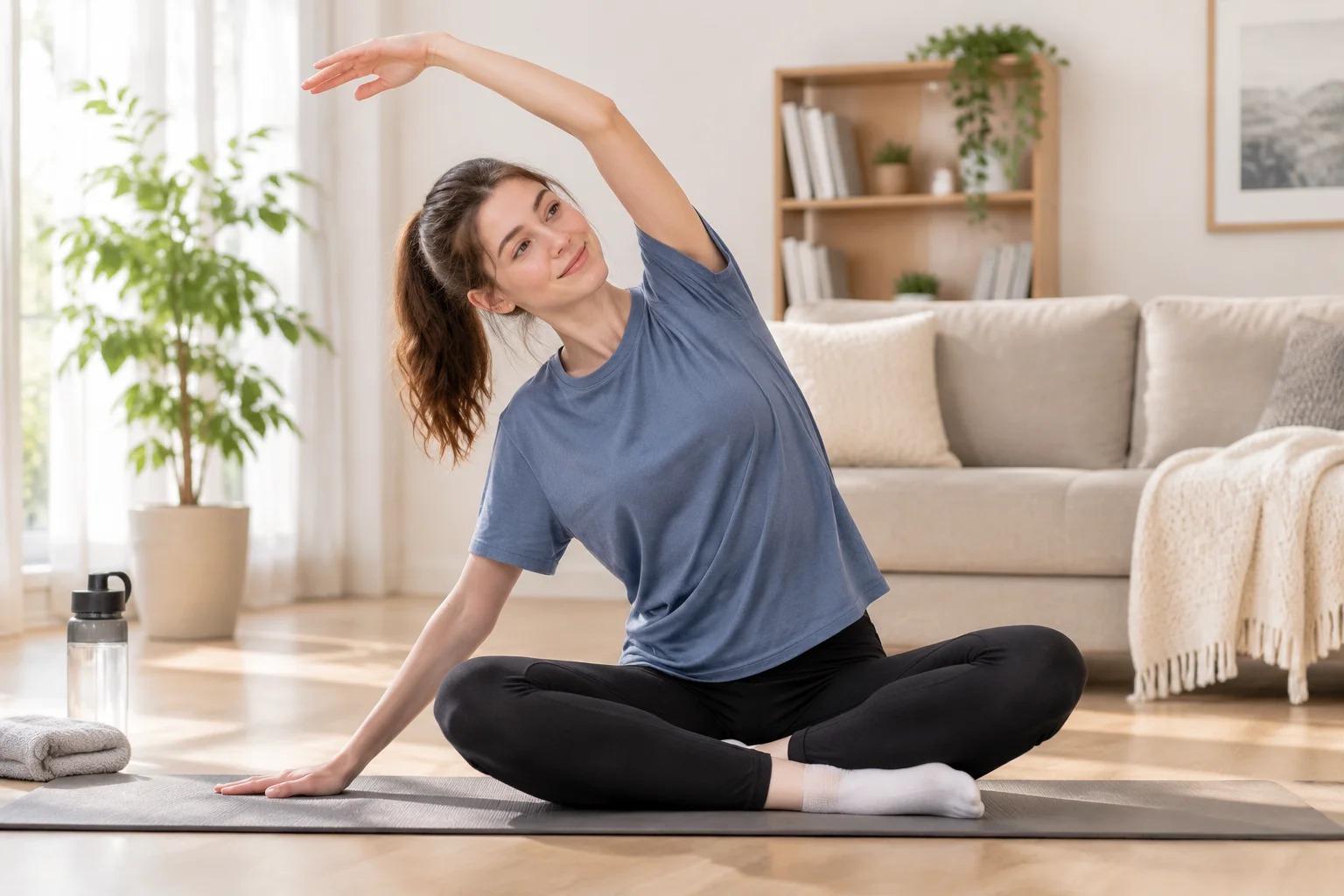
Understanding the Mechanics of Muscular Release
Whenever you enter a stretch too aggressively, the stretch reflex activates immediately to prevent injury by contracting the target muscle. Forcing deeper into this reflexive contraction creates resistance and leads to soreness. Instead, approaching the initial resistance threshold with calm nasal breathing signals the nervous system that the posture is safe. Over several slow breaths, muscle spindles ease their tension, allowing the muscle fibers and surrounding fascia to expand naturally without strain.
Three Foundational Stretching Approaches
A comprehensive flexibility routine blends distinct methods throughout the week to promote both functional mobility and passive elasticity:
- Dynamic warm-ups: active leg swings and torso twists to increase blood flow and prepare joint capsules.
- Passive static stretching: seated forward folds and supported hip openers held comfortably to lengthen connective tissue.
- Prop-assisted stretches: using straps to gently bridge reach distance and blocks to maintain neutral spinal alignment.
Integrating Daily Flexibility into Your Lifestyle
Developing lasting flexibility is a cumulative process where regularity matters far more than intensity. Dedicating just fifteen quiet minutes in the evening helps decompress your spine, calm the nervous system after desk work, and improve your sleep quality. Listen to your body and celebrate small incremental gains over time.
Frequently Asked Questions
Practicing four to five short sessions per week produces substantially better results than one long session. Consistency conditions your connective tissues and nervous system to accept new ranges without tightening up.
Use active dynamic mobility movements before training to prepare your joints and muscles. Reserve deep static holds for after your workout when your muscles are thoroughly warm and ready to release.
Ready to Build Your Practice Routine?
Explore calibrated studio mats, cork blocks, and durable alignment tools crafted for lasting mindful movement.
Explore CollectionRecommended Articles
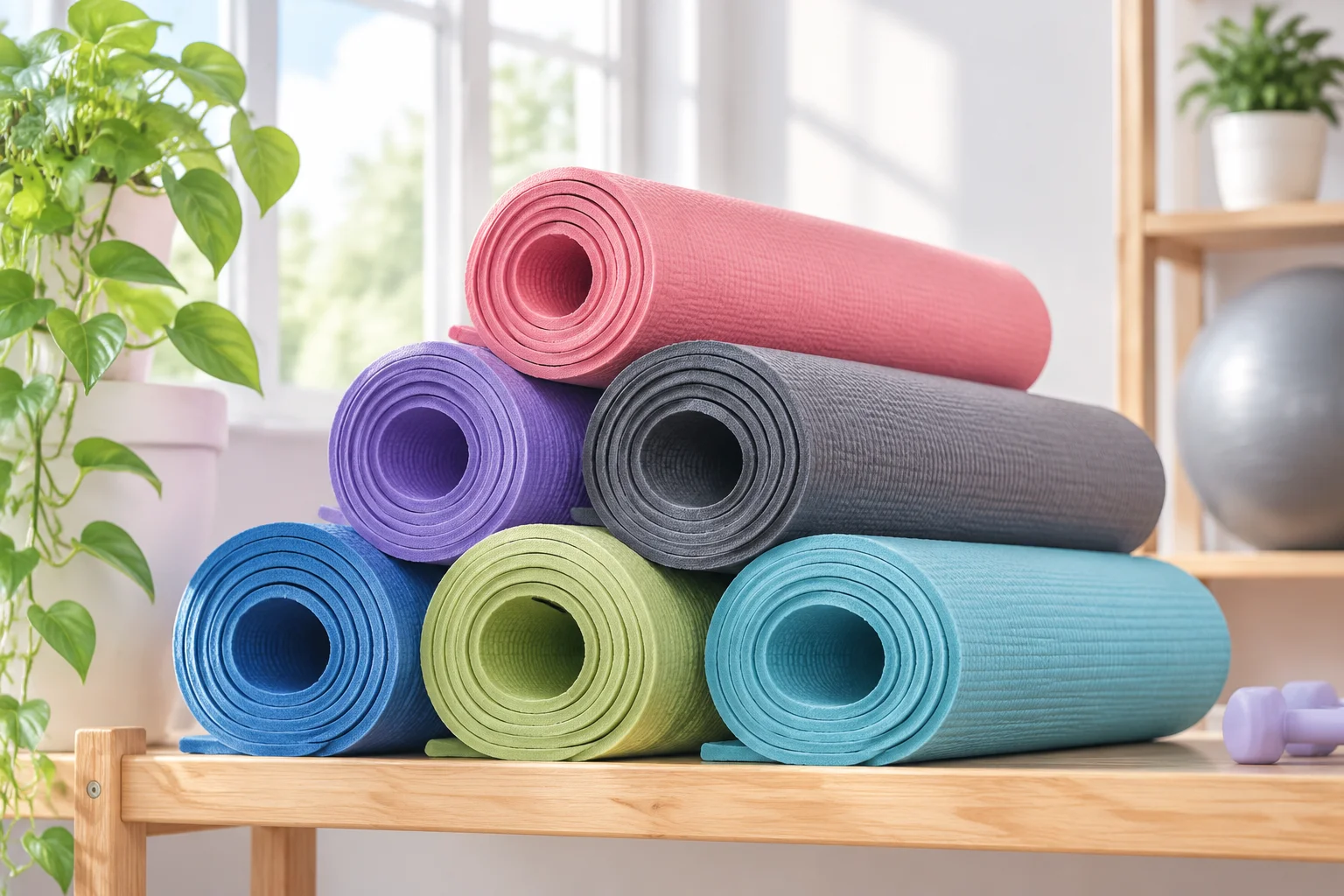
How to Choose the Right Mat
Understand density, texture, and durability factors before selecting your base.
2026-10-22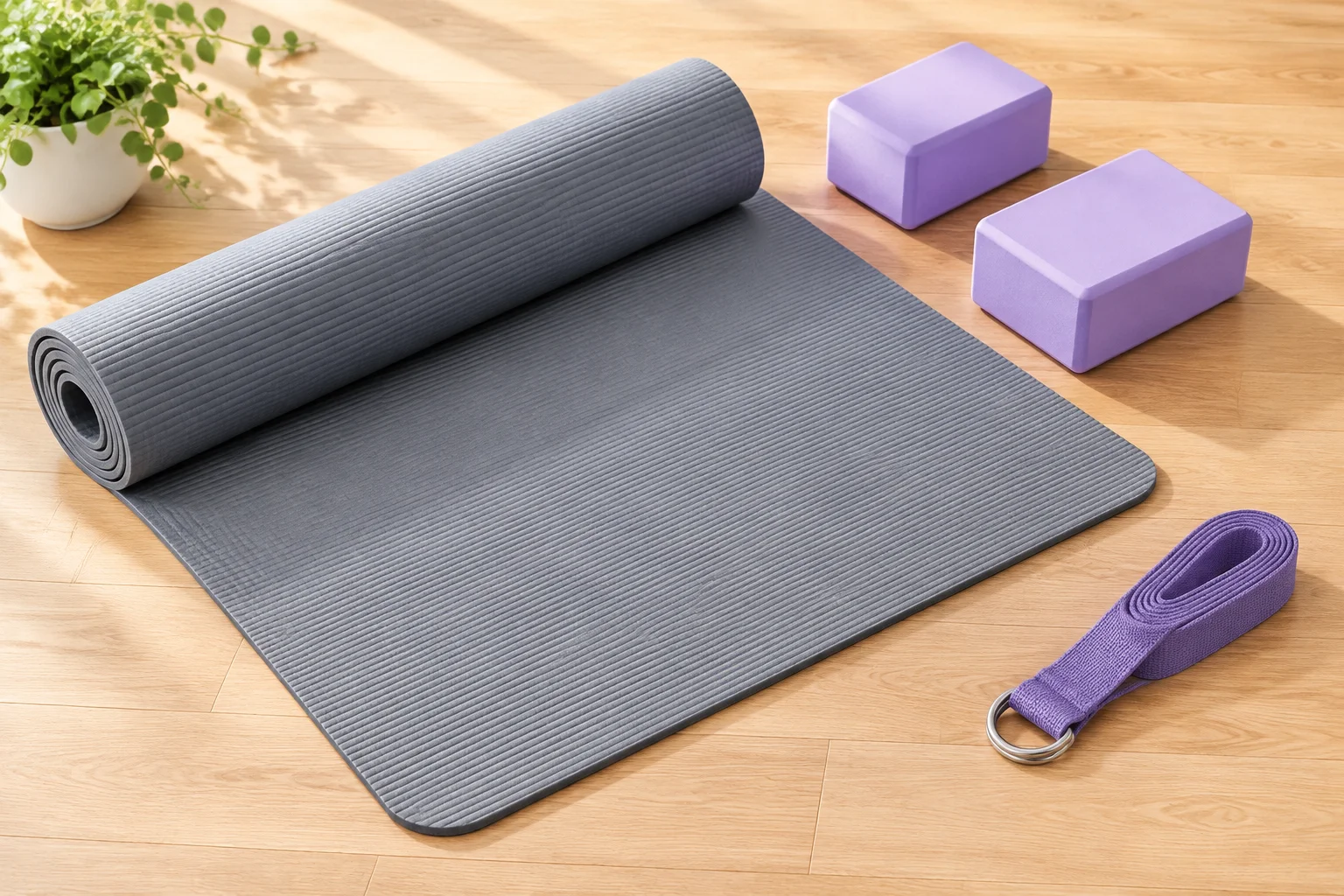
Essential Equipment for Beginners
Key props and essentials that help you practice safely and comfortably at home.
2026-10-15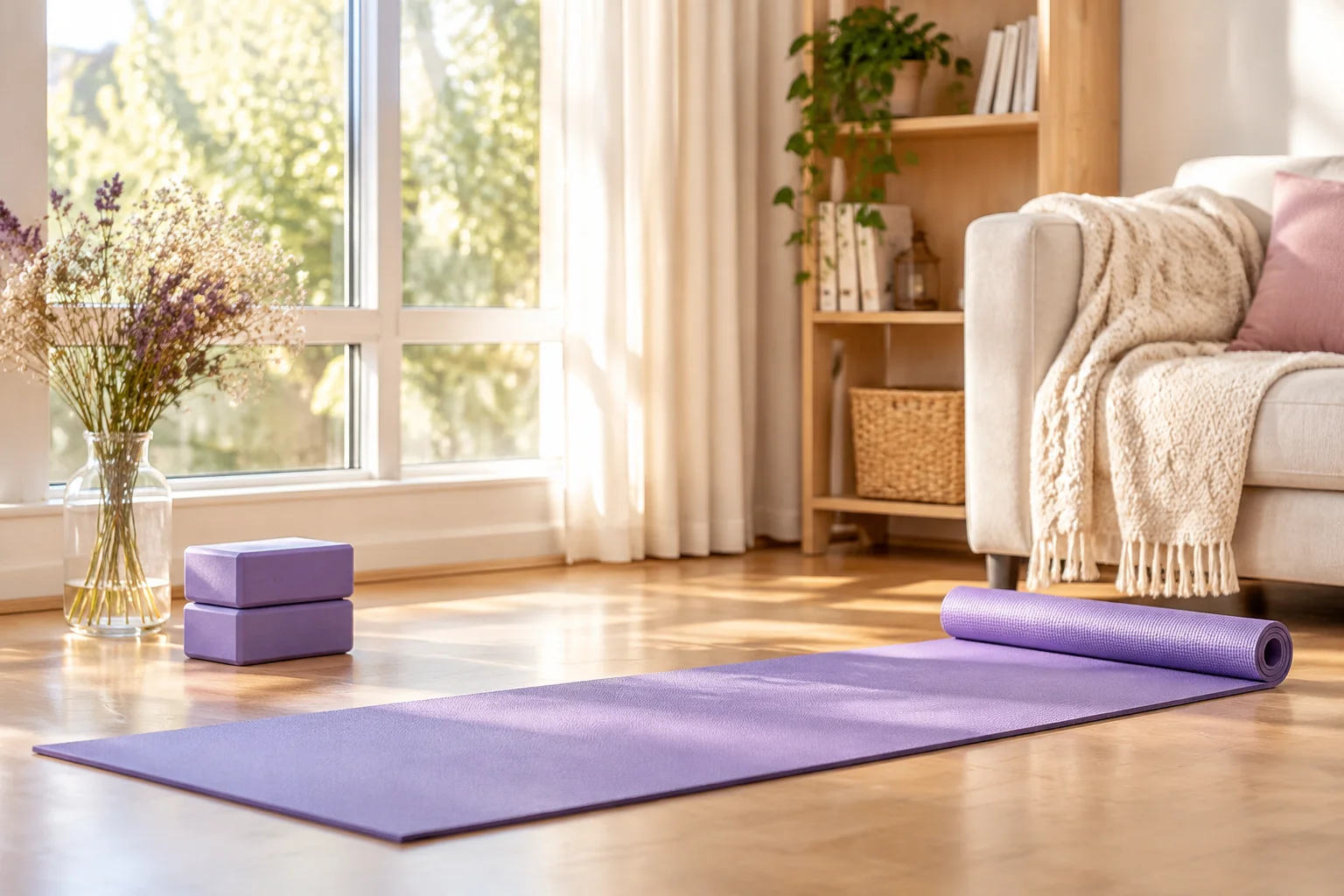
Setting Up Your Home Practice Space
Optimal floor clearance, prop placement, and quiet space configuration.
2026-11-05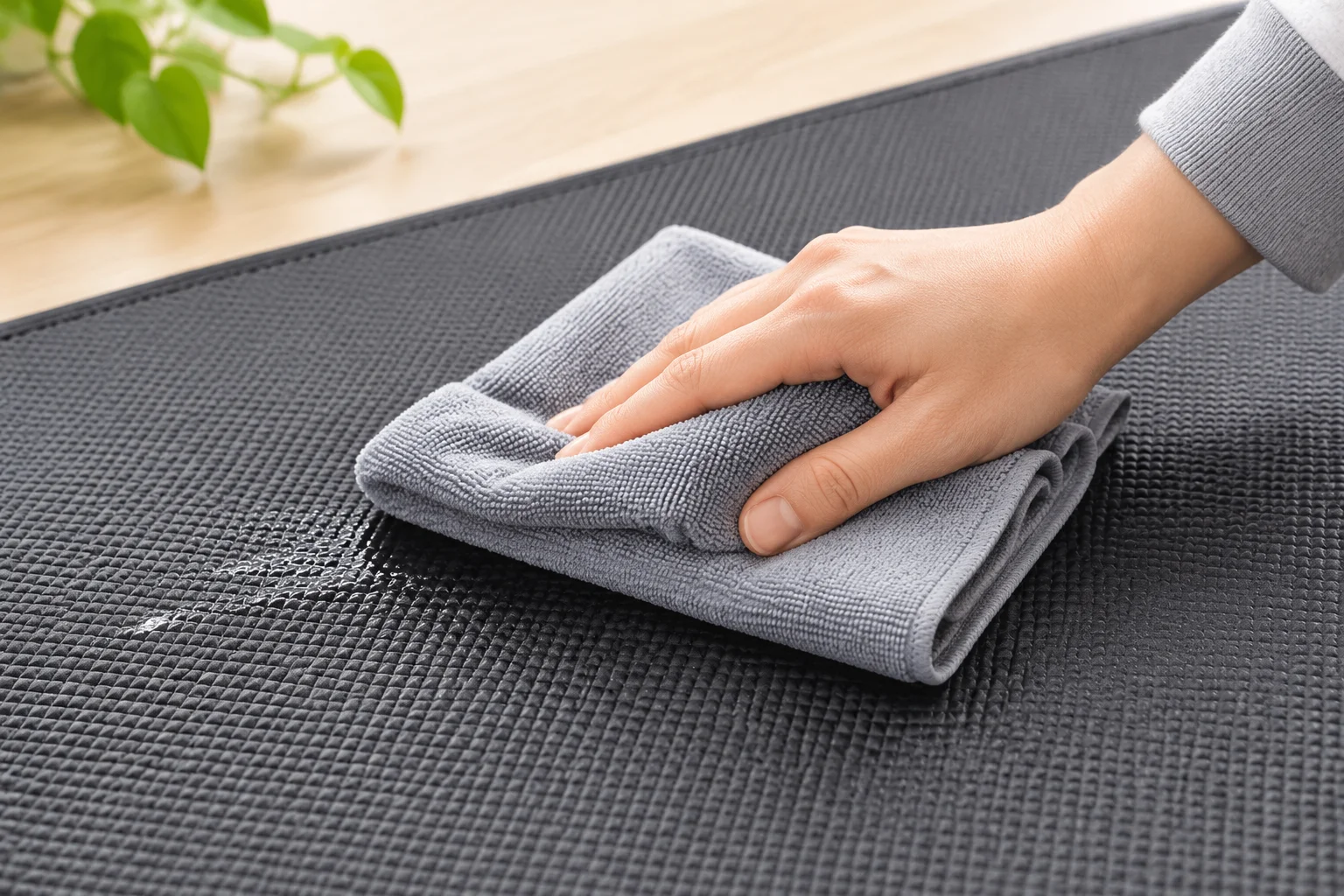
Proper Care for Your Equipment
Essential tips to maintain grip integrity, cleanliness, and long-term durability.
2026-11-10
Reader Discussion
Community NotesThese stretches feel amazing.
Incorporating this into my daily routine.