Key Factors for Selection
Selecting the right mat depends on your practice intensity, joint sensitivity, and portability needs. From thickness and material to texture, each feature impacts your stability and comfort.
| Practice Focus | Hatha & Vinyasa |
|---|---|
| Experience Level | All Levels |
| Recommended Prop | Yoga Block |
| Estimated Routine | 30-60 mins |
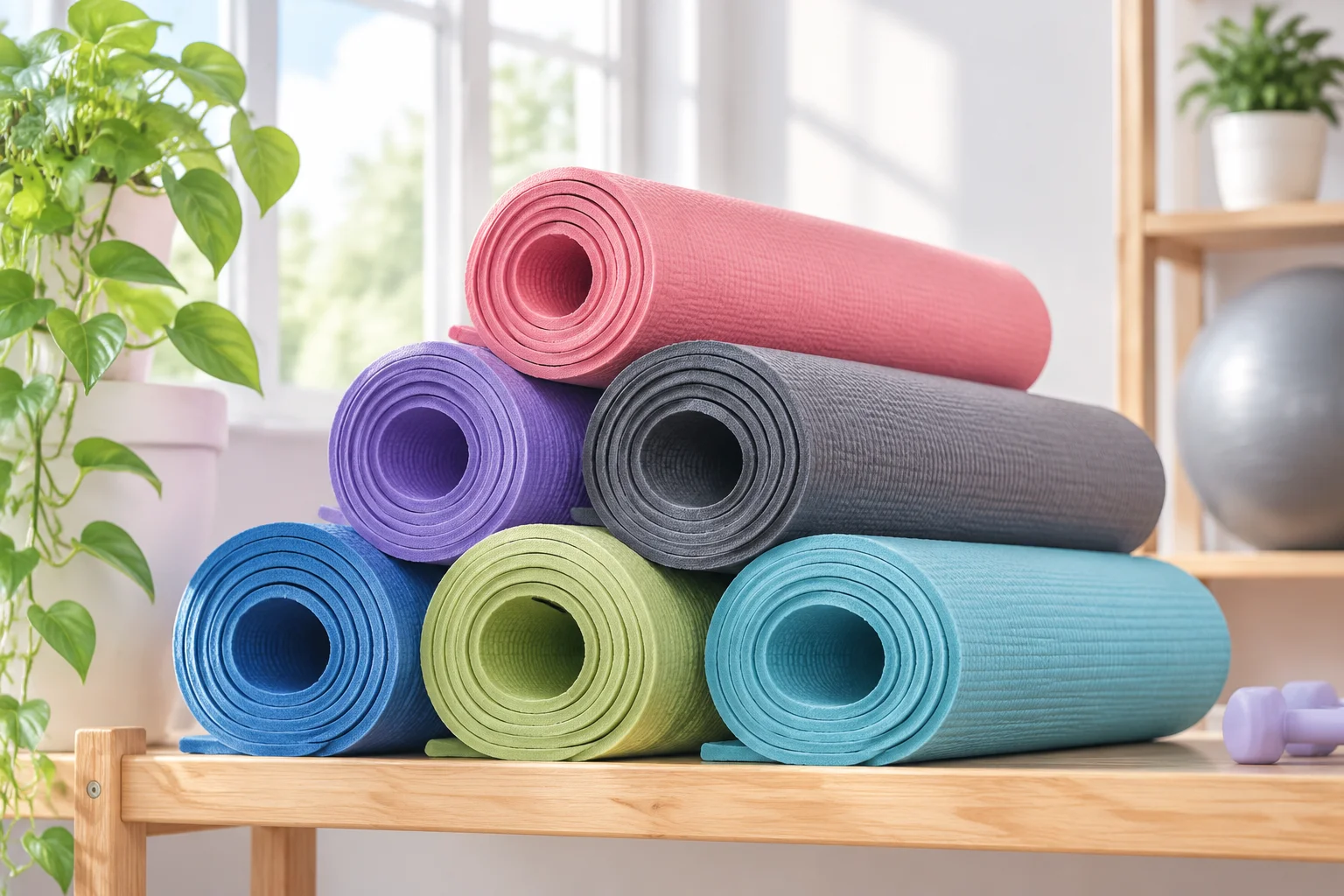
Understanding Mat Thickness
Thickness is one of the most common factors beginners evaluate. Standard mats usually measure around 3mm to 5mm. A thinner mat (1.5mm to 3mm) provides better stability by keeping you closer to the ground, which is ideal for advanced practitioners focusing on balance. If you experience knee discomfort or have sensitive joints, a thicker mat (6mm or more) will offer the necessary cushioning to alleviate pressure during kneeling sequences.
Choosing the Right Material
Your mat’s composition dictates its lifecycle, texture, and ecological impact. The following materials are widely favored for their performance characteristics:
- TPE (Thermoplastic Elastomer): Highly durable, moisture-resistant, and provides excellent traction.
- Natural Rubber: Offers the best grip for sweaty practices but is heavier to transport.
- Cork: Antimicrobial and naturally non-slip, becoming grippier with moisture.
The Importance of Grip and Texture
Regardless of thickness, your mat must prevent slipping. Mats with a sticky texture help maintain alignment during challenging transitions, while those with open-cell structures absorb sweat, preventing slippery surfaces. When your hands remain stable, your confidence grows, allowing you to focus purely on your breath and posture rather than adjusting your position.
Expert Answers
For most mats, wipe with a mixture of mild soap and water after each practice. Always air-dry out of direct sunlight to maintain the integrity of the material.
Not necessarily. While thicker mats provide more cushion, they can make balancing poses harder by reducing your stability on the floor surface.
Ready to Build Your Practice Routine?
Explore calibrated studio mats, cork blocks, and durable alignment tools crafted for lasting mindful movement.
Explore CollectionRecommended Articles
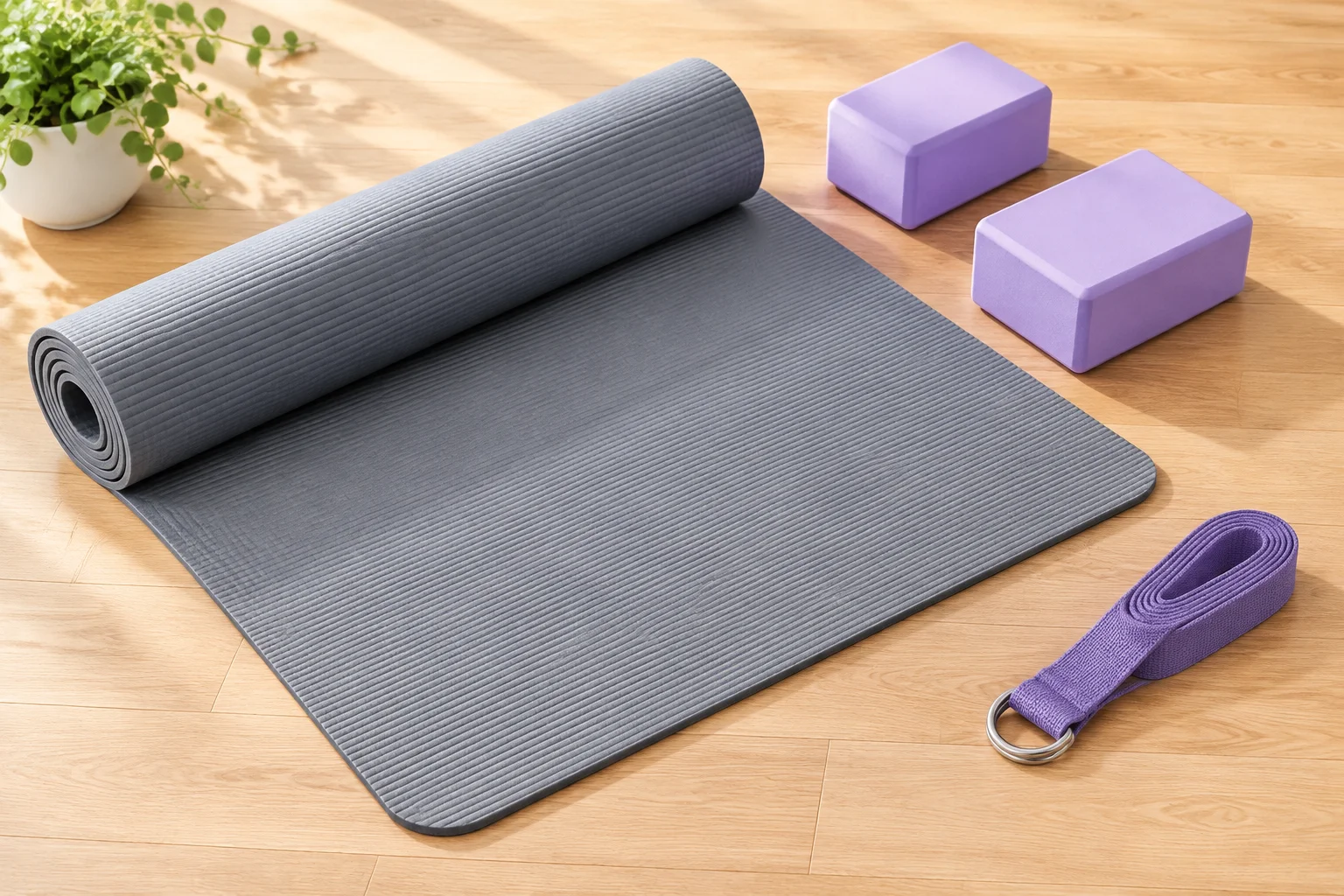
Essential Equipment for Beginners
Your guide to basic yoga props and what you actually need to start.
2026-10-15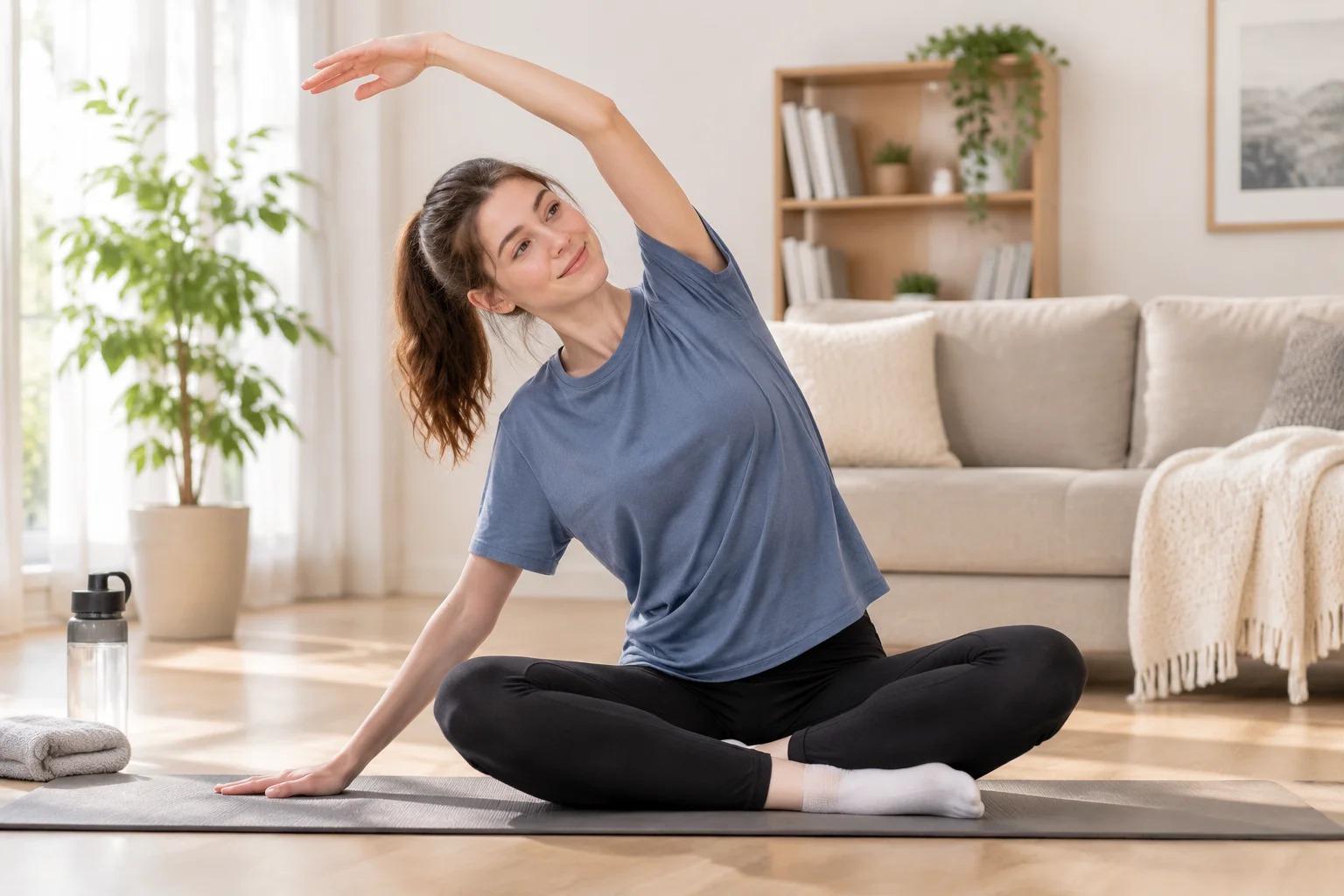
Stretching Techniques for Flexibility
Deepen your range of motion with these effective and gentle stretching sequences.
2026-11-01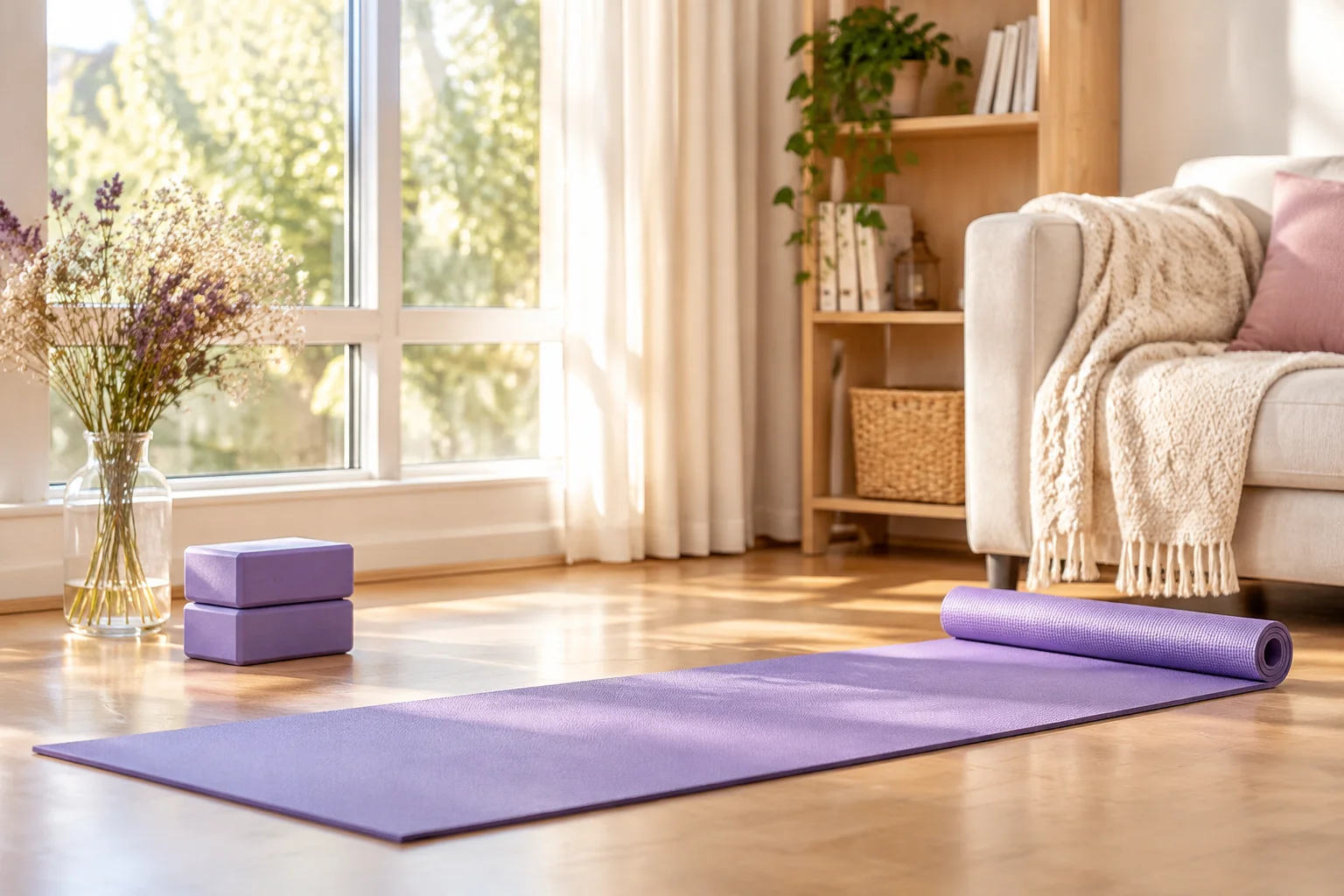
Setting Up Your Home Practice Space
Create a serene environment for daily practice right in your living room.
2026-11-05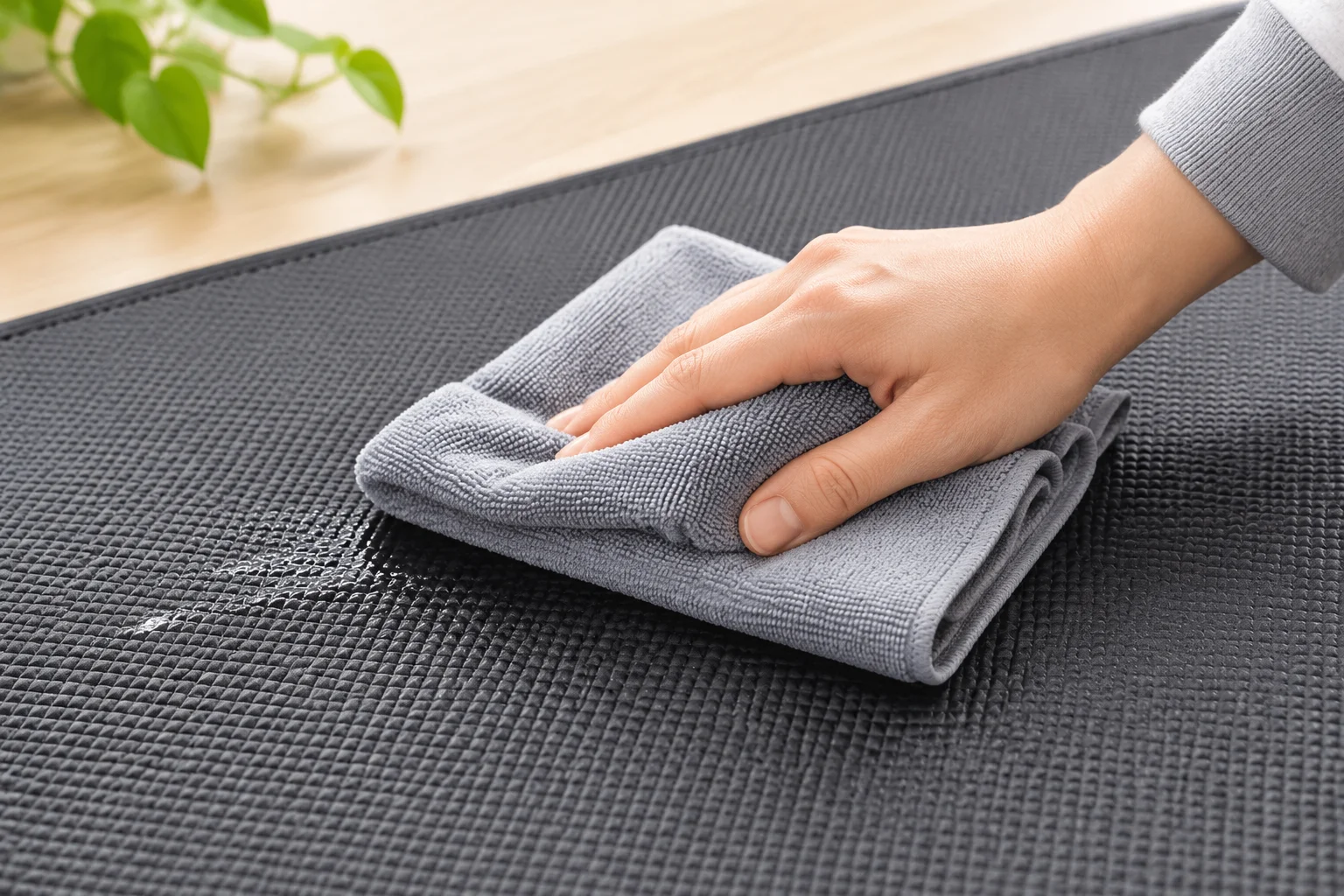
Proper Care for Your Equipment
Simple steps to ensure your mats and blocks last for years of practice.
2026-11-10
Reader Discussion
Community NotesI finally understand the thickness differences.
Great tips on materials.