Start Your Journey with Confidence
Embarking on a new yoga journey doesn't require a studio-full of expensive accessories. Focus on quality basics that ensure safety, comfort, and progress. We have curated a list of essential items that help you maintain stability and alignment during your daily sessions.
| Practice Focus | Stability and Alignment |
|---|---|
| Experience Level | Beginner |
| Recommended Prop | Yoga Mat (6mm) |
| Estimated Routine | 20–30 minutes |
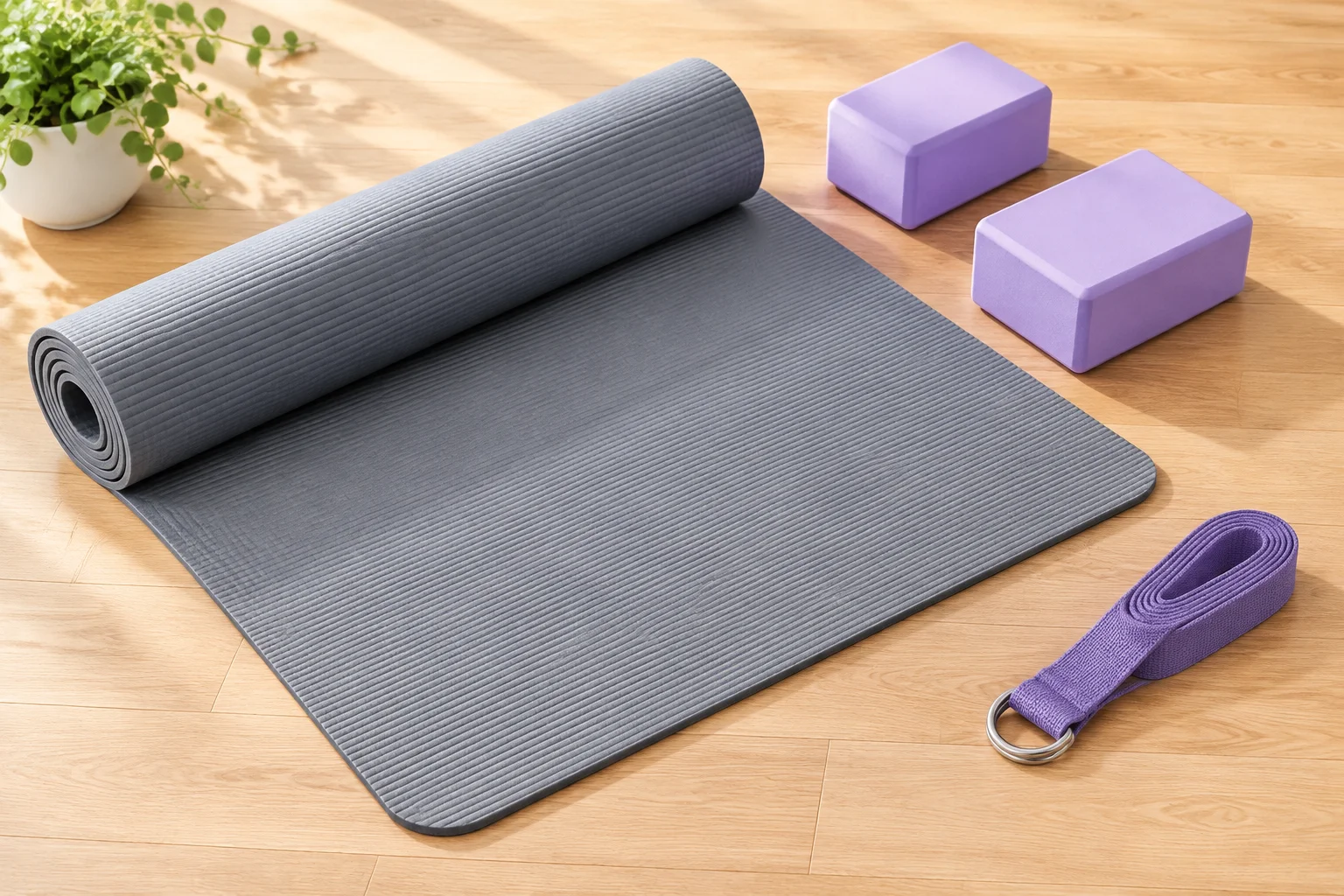
Selecting Your Primary Surface
Your mat is the most important piece of gear. It serves as your personal space for focus and helps protect your joints from hard floors. Look for a thickness of at least 5-6mm if you need extra cushioning for sensitive knees or wrists. The material should be durable enough to withstand daily use while providing sufficient grip, even when you start to build heat.
Enhancing Your Postures with Props
Props are not just for beginners; they are essential tools for anyone looking to refine their alignment. Yoga blocks, specifically, act as extensions of your arms, allowing you to reach the floor without compromising your posture.
- Use two foam or cork blocks to support your hands in standing poses.
- Incorporate a cotton strap to help deepen stretches safely during seated folds.
- Consider a yoga wheel if you want to explore deeper backbends and shoulder openers over time.
Creating a Sustainable Routine
Consistency is key when starting out. By keeping your equipment organized and easily accessible in a dedicated space, you reduce friction and make it easier to step onto your mat each morning. Remember that your equipment should serve your body, so choose items that make you feel supported, safe, and motivated to return to your practice tomorrow.
Common Equipment Questions
Cork blocks are heavier, more stable, and eco-friendly, making them ideal for standing balances. Foam blocks are lightweight and soft, which is perfect for beginners or those who prefer a gentler feel under the hands.
A light wipe-down after every session keeps your mat fresh. A deeper clean using a mild solution or dedicated yoga mat spray once a week is recommended to maintain the material's grip.
Thickness determines cushioning and stability. Thicker mats (5-6mm) offer more support for joints, while thinner mats (1-3mm) provide a more direct feel of the ground, which is often preferred for balance-heavy practices.
A yoga bag or carrier strap is excellent if you plan on attending classes away from home, as it protects your mat from environmental damage and makes it much easier to carry.
A yoga wheel helps open your shoulders, chest, and back. It provides therapeutic support for spine mobility and adds a fun, challenging element to your daily stretching routine.
Ready to Build Your Practice Routine?
Explore calibrated studio mats, cork blocks, and durable alignment tools crafted for lasting mindful movement.
Explore CollectionRecommended Articles
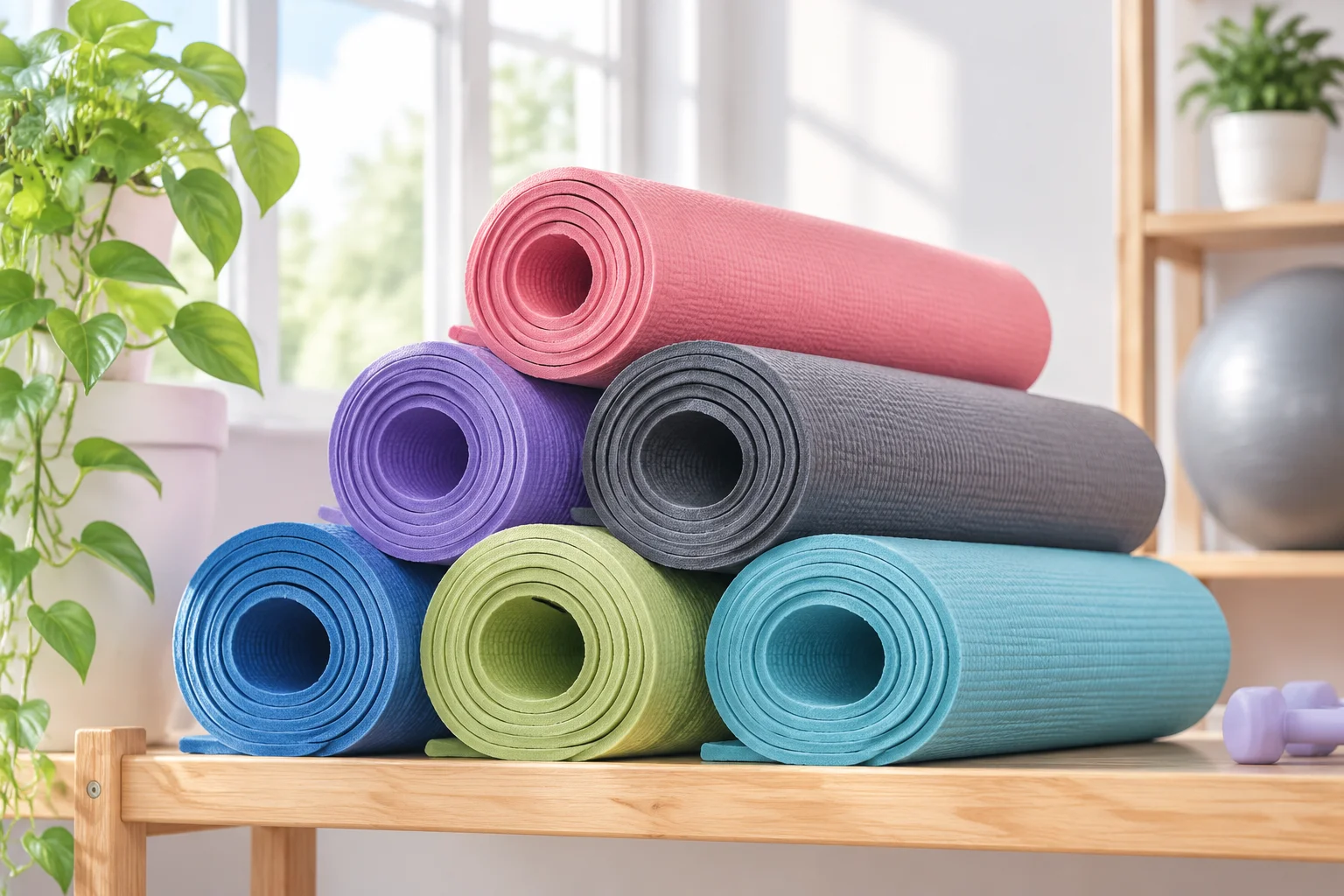
How to Choose the Right Mat
Understand density, texture, and durability factors before selecting your base.
2026-10-22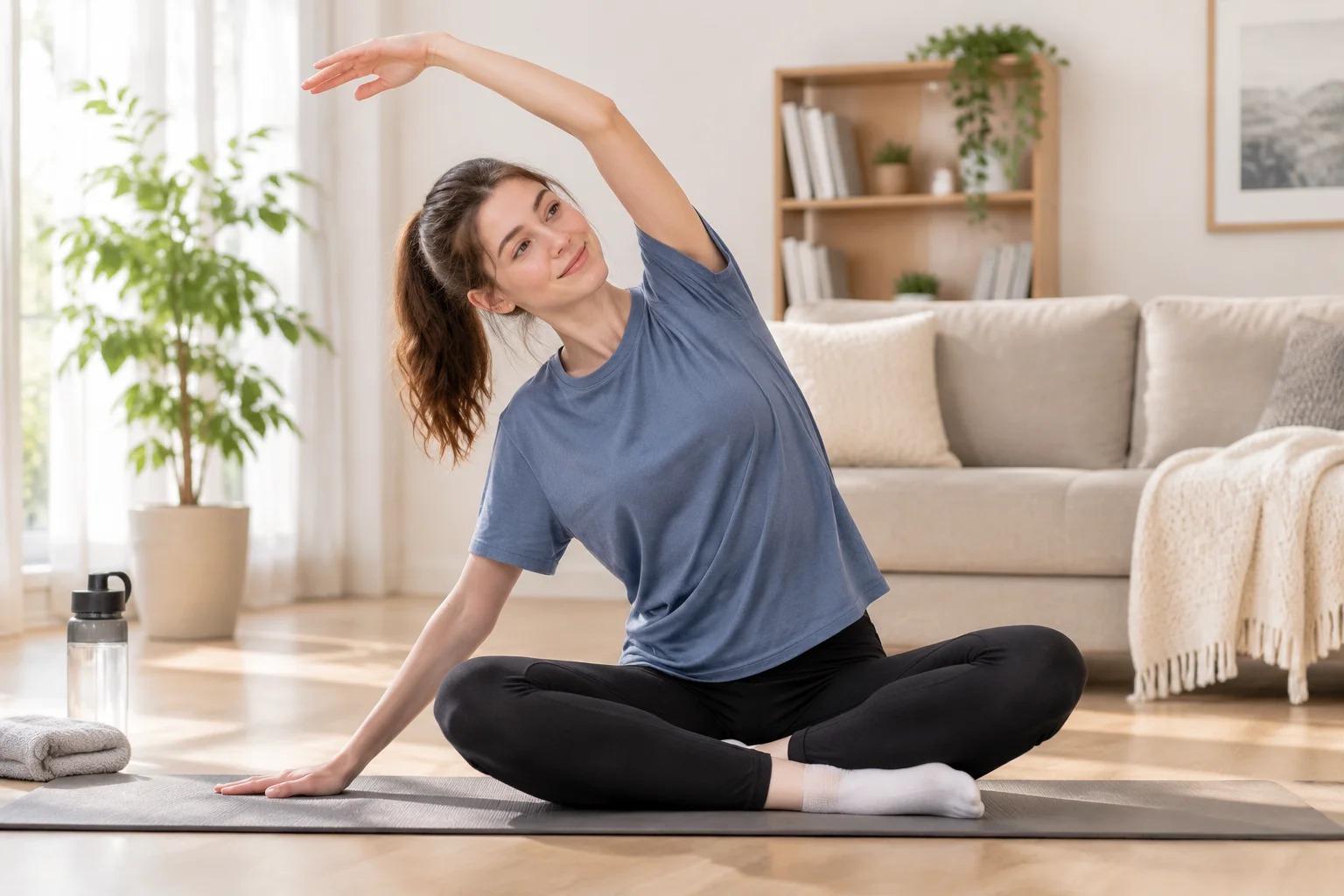
Stretching Techniques for Flexibility
Calibrated postures and progressive hold methods for sustainable range of motion.
2026-11-01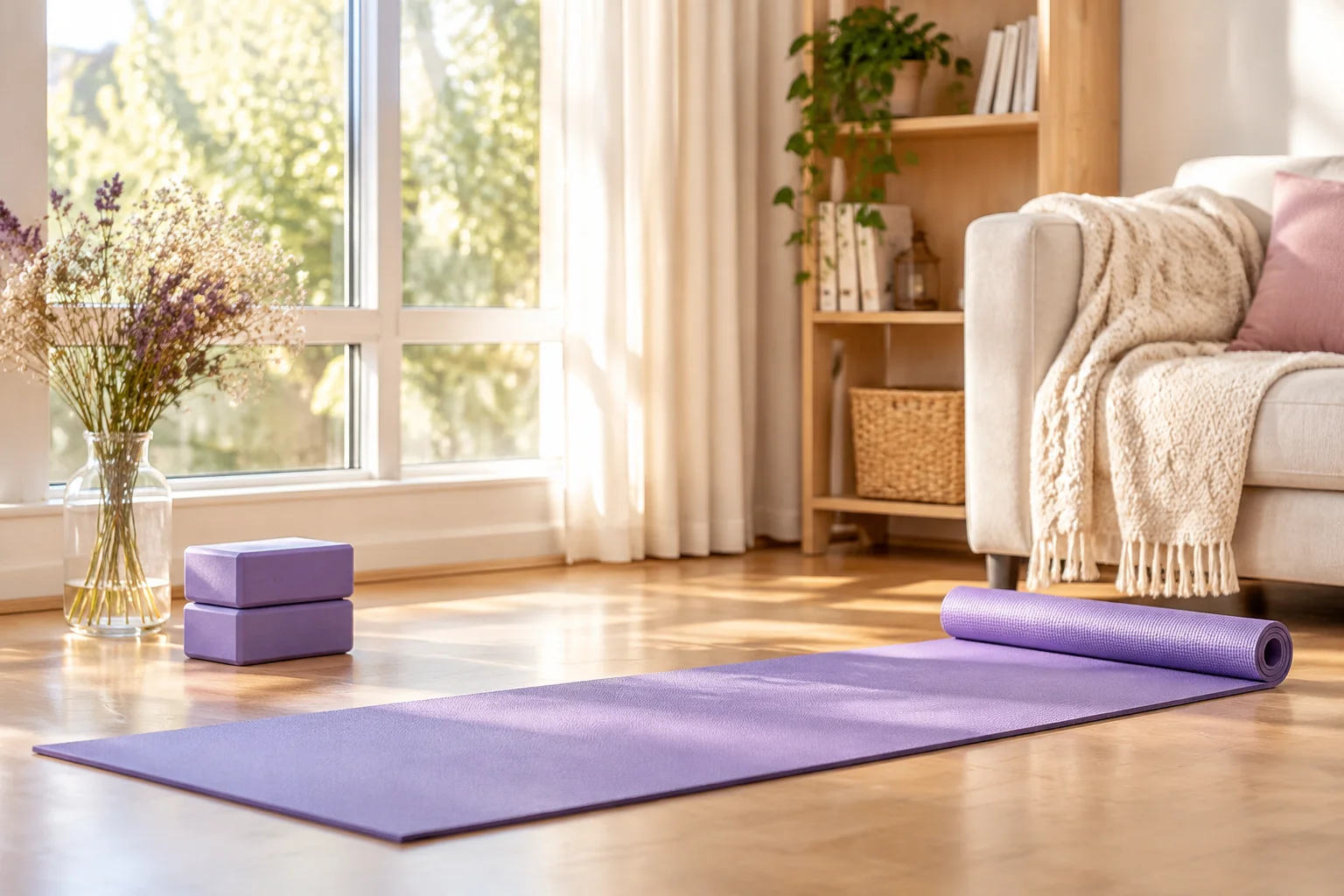
Setting Up Your Home Practice Space
Optimal floor clearance, prop placement, and quiet space configuration.
2026-11-05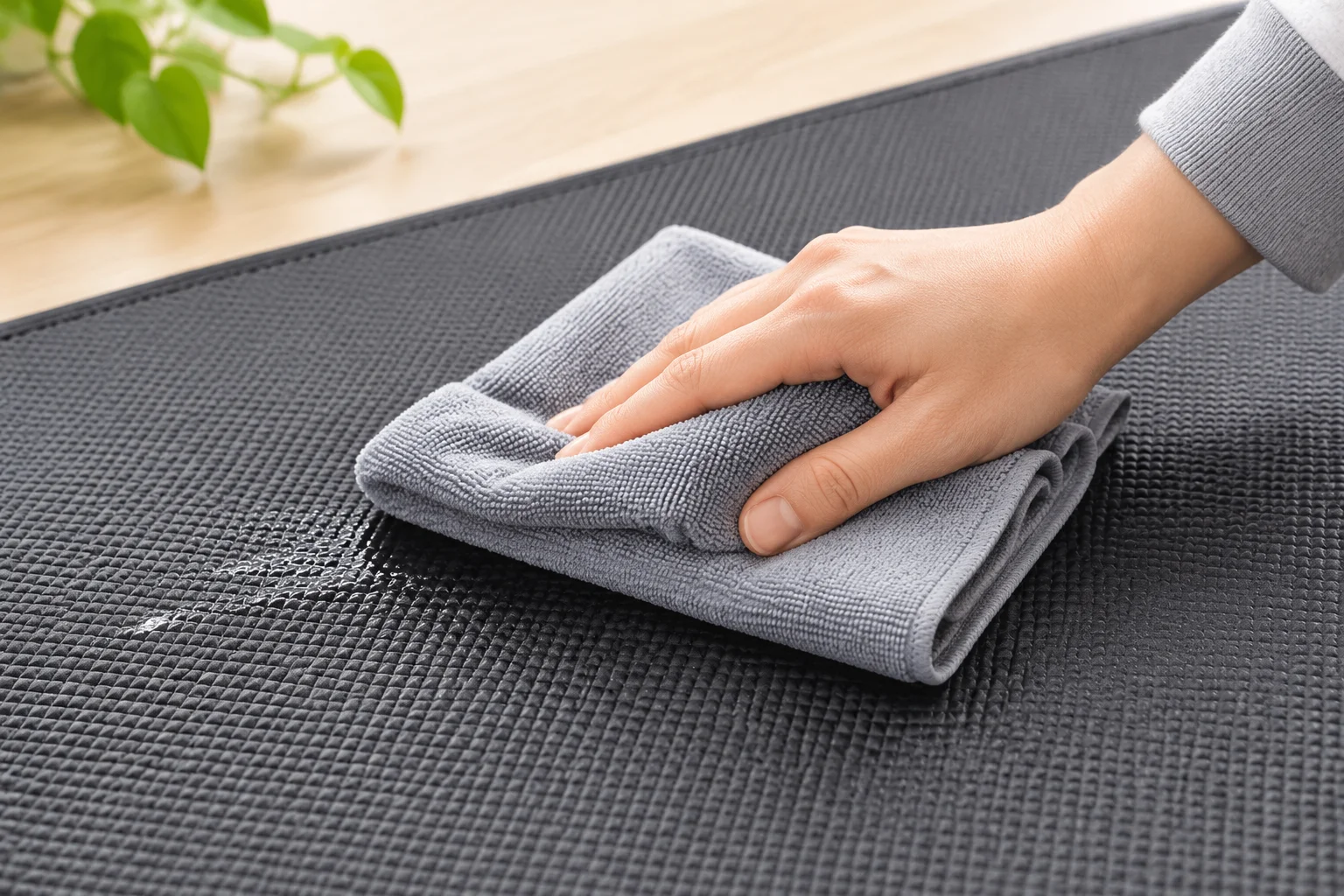
Proper Care for Your Equipment
Essential tips to maintain grip integrity, cleanliness, and long-term durability.
2026-11-10
Reader Discussion
Community NotesVery helpful guide for starting out.
Thanks for the clear explanations.