Routine Maintenance Protects Performance
Equipment directly absorbs perspiration, ambient moisture, and dust throughout regular practice. Establishing a consistent cleaning rhythm preserves the natural elasticity of rubber, prevents cork crumble, and keeps open-cell surfaces free from lingering odor.
| Practice Focus | Studio Hygiene & Grip Preservation |
|---|---|
| Experience Level | All Practice Levels |
| Recommended Prop | Microfiber Cloth & Gentle Spray |
| Estimated Routine | 3–5 Minutes Post-Practice |
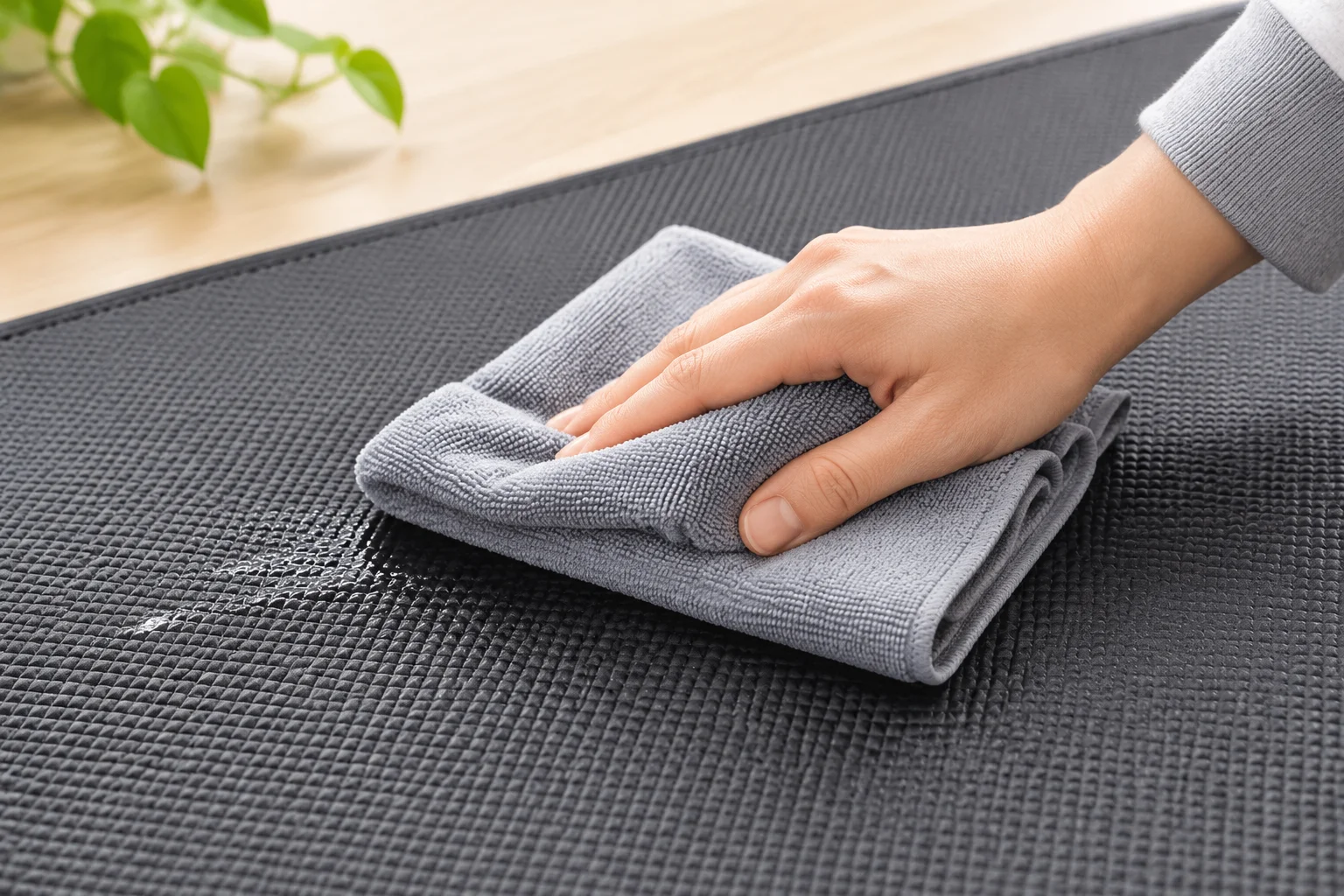
Tailoring Cleaning Methods to Mat Materials
Different mat formulations demand distinct sanitation techniques. Closed-cell mats made from PVC or dense TPE create a sealed surface that repels liquids. A diluted solution of mild Castile soap and warm water applied with a soft microfiber towel easily lifts grime without degrading surface adhesion. Conversely, open-cell rubber mats drink up moisture for high-tack traction; submerged washing or abrasive scrubs saturate internal cells, leading to compound breakdown. For open-cell rubber, a gentle damp towel wipe followed by flat drying away from heat vents keeps the tactile compound responsive and intact.
Protecting Cork Blocks and Density Rollers
High-density foam rollers and natural cork blocks require a delicate touch rather than heavy saturation. Cork boasts innate antimicrobial traits via suberin compounds, but pooling moisture can disintegrate the binder holding granules together.
- Wipe cork surfaces with a barely moist lint-free towel and allow full ventilation before stacking in storage cubbies.
- Clean textured foam rollers with a damp cloth infused with a drop of organic tea tree oil solution to cut body oils.
- Wash cotton alignment straps and canvas carrying bags in cold cycles inside mesh laundry pouches, air-drying flat.
Storage Practices that Prevent Permanent Creasing
Storing rolled gear correctly preserves its flat-laying integrity on studio floors. Always roll your mat with the textured top side facing outward. Rolling inward strains the bonded backing layer and creates persistent curling corners that snag during transitions. Keep equipment off radiant-heated floorboards and out of hot car trunks, where trapped heat warps foam density and dries out natural latex. A ventilated cotton tote or slung strap allows air exchange, ensuring your gear stays fresh between studio visits.
Frequently Asked Maintenance Questions
Most yoga mats, especially natural rubber, cork, and dense TPE varieties, should never enter a washing machine. Agitator arms stretch the internal scrim, while spinning cycles break down cellular integrity. Reserve washing machines strictly for cotton straps and microfiber practice towels.
Mix three parts distilled water with one part raw apple cider vinegar and two drops of lavender or eucalyptus essential oil in a misting bottle. Lightly spray the mat, wipe down with a dry microfiber cloth, and let it dry overnight in a shaded, well-ventilated area.
Ready to Build Your Practice Routine?
Explore calibrated studio mats, cork blocks, and durable alignment tools crafted for lasting mindful movement.
Explore CollectionRecommended Articles
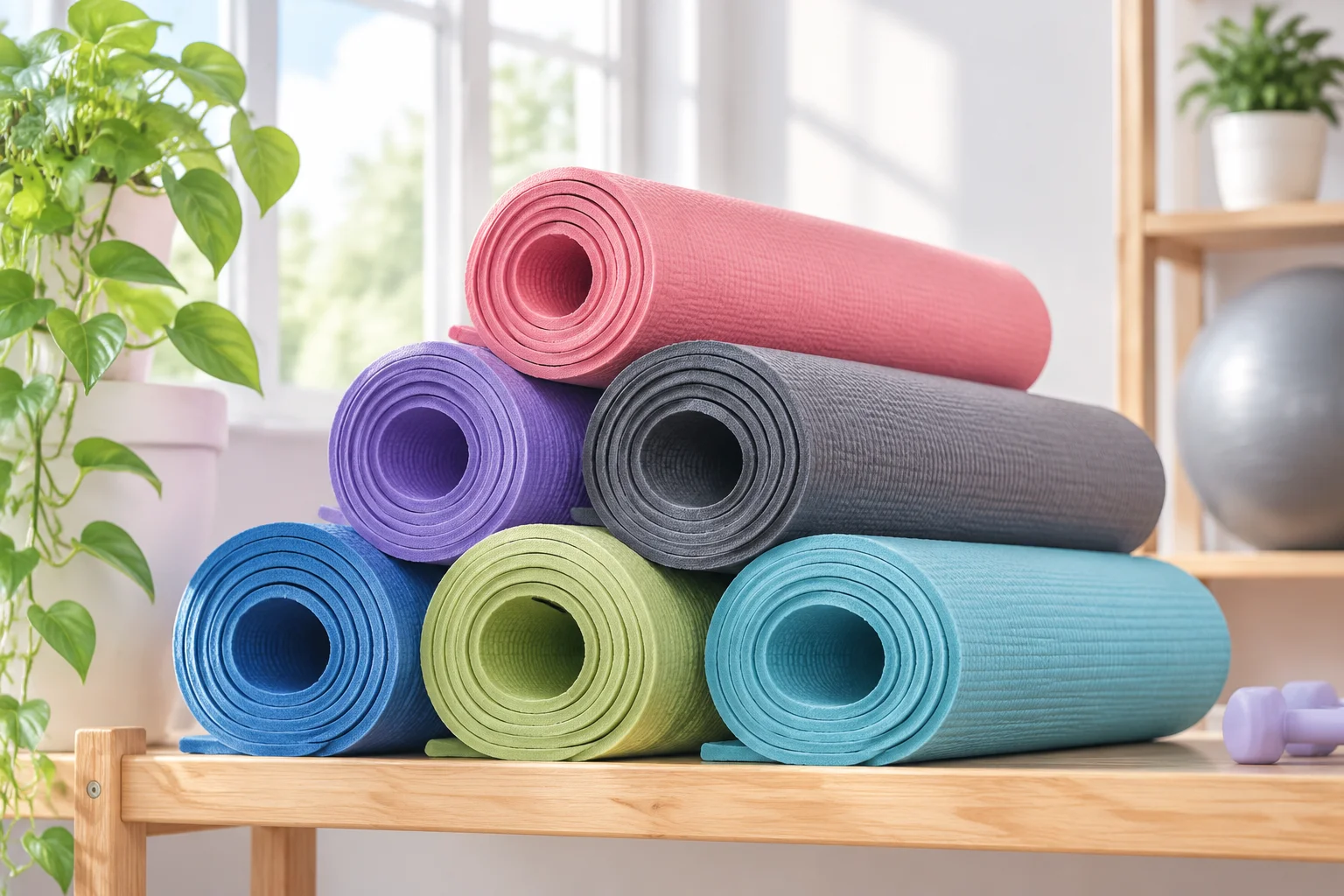
How to Choose the Right Mat
Understand density, texture, and durability factors before selecting your base.
2026-10-22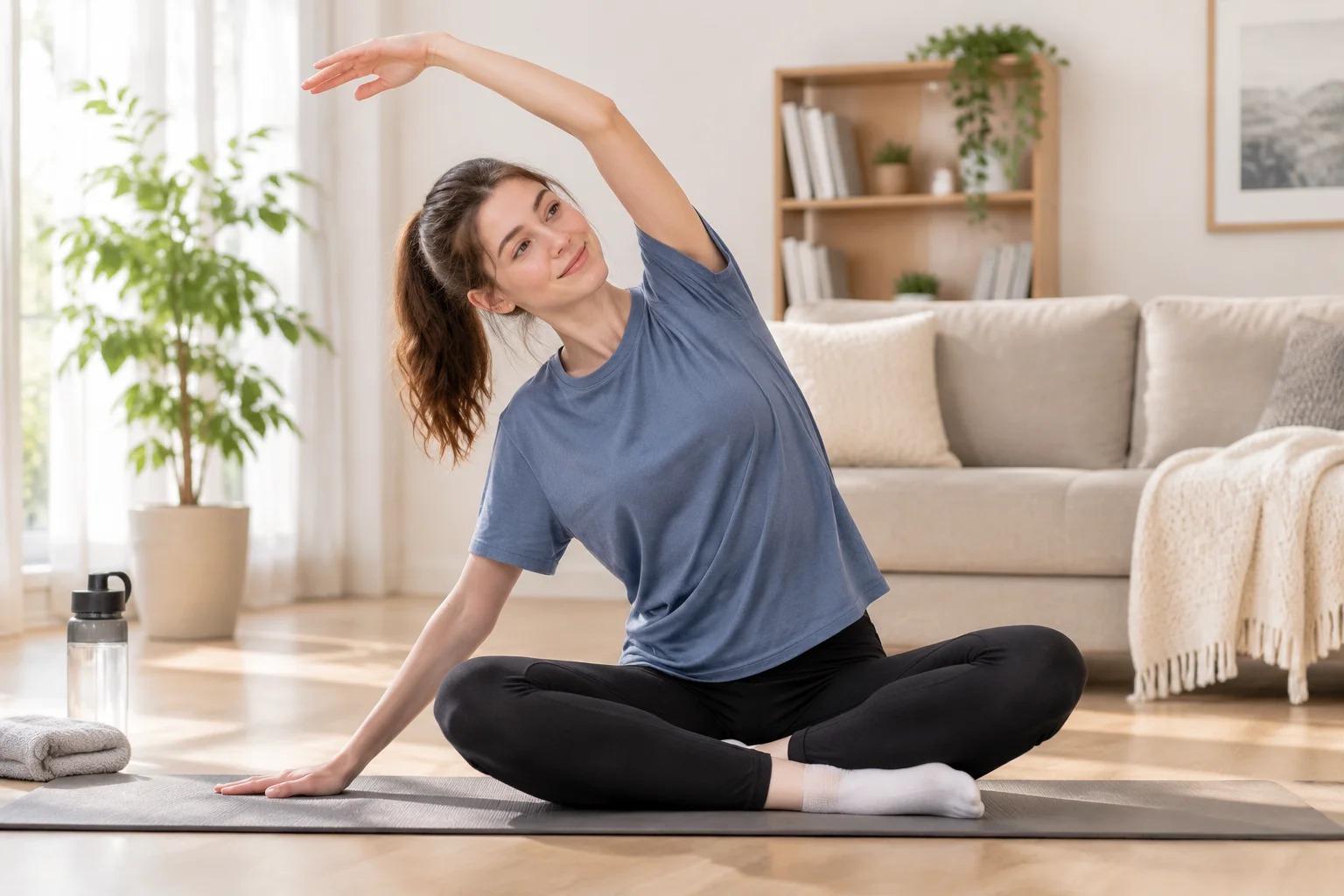
Stretching Techniques for Flexibility
Calibrated postures and progressive hold methods for sustainable range of motion.
2026-11-01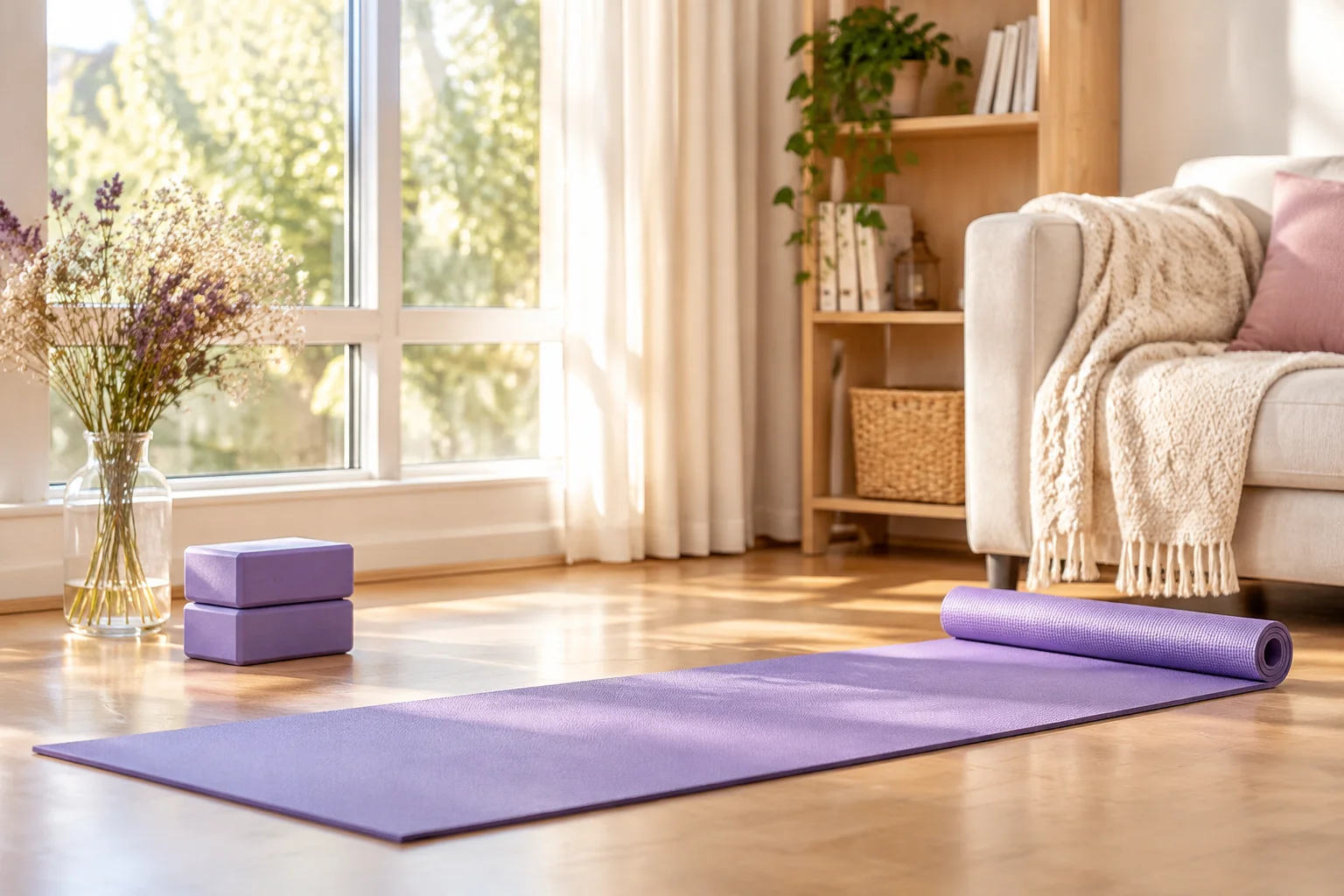
Setting Up Your Home Practice Space
Optimal floor clearance, prop placement, and quiet space configuration.
2026-11-05
Morning Routine for Daily Balance
Gentle waking sequences and breath-centered movement to ground your day.
2026-11-15
Reader Discussion
Community NotesNo comments yet. Be the first to leave a comment.