Designing a Sanctuary for Consistent Movement
Creating a dedicated space at home removes the daily friction of unrolling a mat between coffee tables and clutter. A intentional setup fosters regular routines and mindful transitions.
| Practice Focus | Spatial Layout & Alignment |
|---|---|
| Experience Level | All Levels (Beginner to Advanced) |
| Recommended Prop | Dense Mat, 2 Cork Blocks, Wall Space |
| Estimated Routine | 20–45 Min Sessions |
Finding and Measuring Your Practice Zone
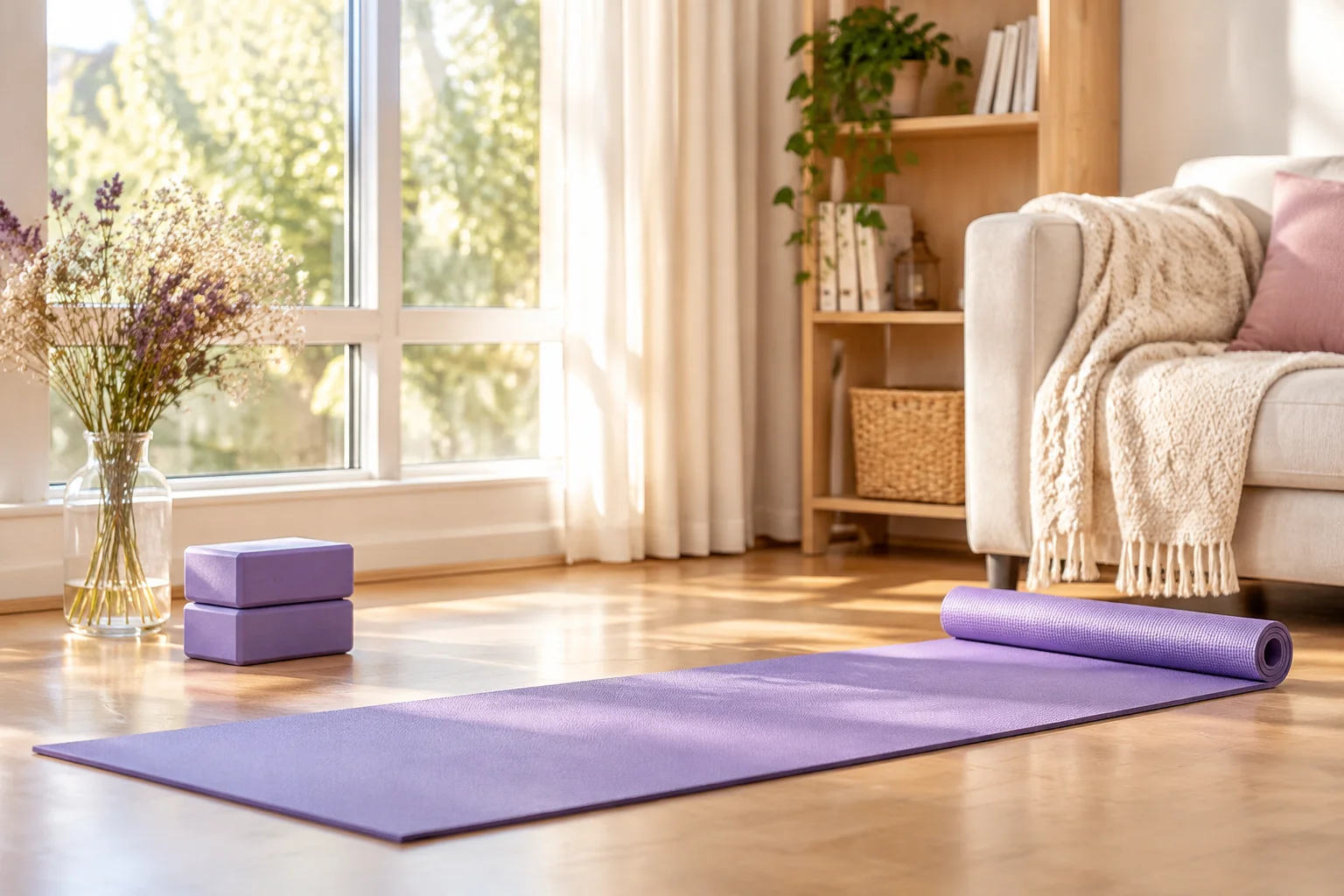
You do not need an entire spare room to build a deeply restorative practice area. A quiet nook adjacent to a window, a cleared area at the foot of your bed, or even a sliding door divider can instantly signal a shift into mindful focus. The primary requirement is clearance: extend both arms laterally and spin gently in place. If your fingertips clear shelves, radiators, and low tables, the space will protect your flow and prevent hesitation during transitions.
Flooring, Thermal Comfort, and Stability
Ground connection defines the security of every standing balance and inversion. Hardwood, bamboo, or low-pile laminate floors provide the ideal firmness for joint stability. If your floor has thick carpet, consider placing a thin board beneath your mat or using a denser rubber mat to eliminate wobbling during balance postures.
- Hard surface stability: Avoid plush carpeting that absorbs downward force and strains ankles in balancing poses.
- Temperature regulation: Keep a lightweight organic throw or blanket nearby for Savasana when body heat rapidly drops.
- Wall proximity: Reserve a clear section of smooth drywall for supported inversions, shoulder stretches, and posture alignment checks.
Sensory Atmosphere and Storage Rituals
Visual clutter triggers subtle mental static. Keeping your mat permanently unrolled—or neatly docked in a breathable open basket alongside your cork blocks and straps—transforms the physical object into an effortless visual invitation. Introduce gentle natural ventilation before each session, choose low-profile warm floor lighting instead of ceiling fixtures, and let your practice space become an anchor of calm in your daily home rhythm.
Frequently Asked Questions
A standard floor area measuring approximately 2.1 meters by 1.5 meters (7 ft by 5 ft) is sufficient for nearly all yoga flows. This accommodates a standard 183 cm mat while leaving ample room for wide lunges, extended side angles, and wide-legged forward folds without bumping into furniture.
If you have a dedicated corner away from direct foot traffic and pets, leaving your mat unrolled lowers the activation barrier and encourages spontaneous daily movement. Otherwise, roll it loosely with the top surface facing outward and store it upright in a dry, ventilated basket.
Ready to Build Your Practice Routine?
Explore calibrated studio mats, cork blocks, and durable alignment tools crafted for lasting mindful movement.
Explore CollectionRecommended Articles
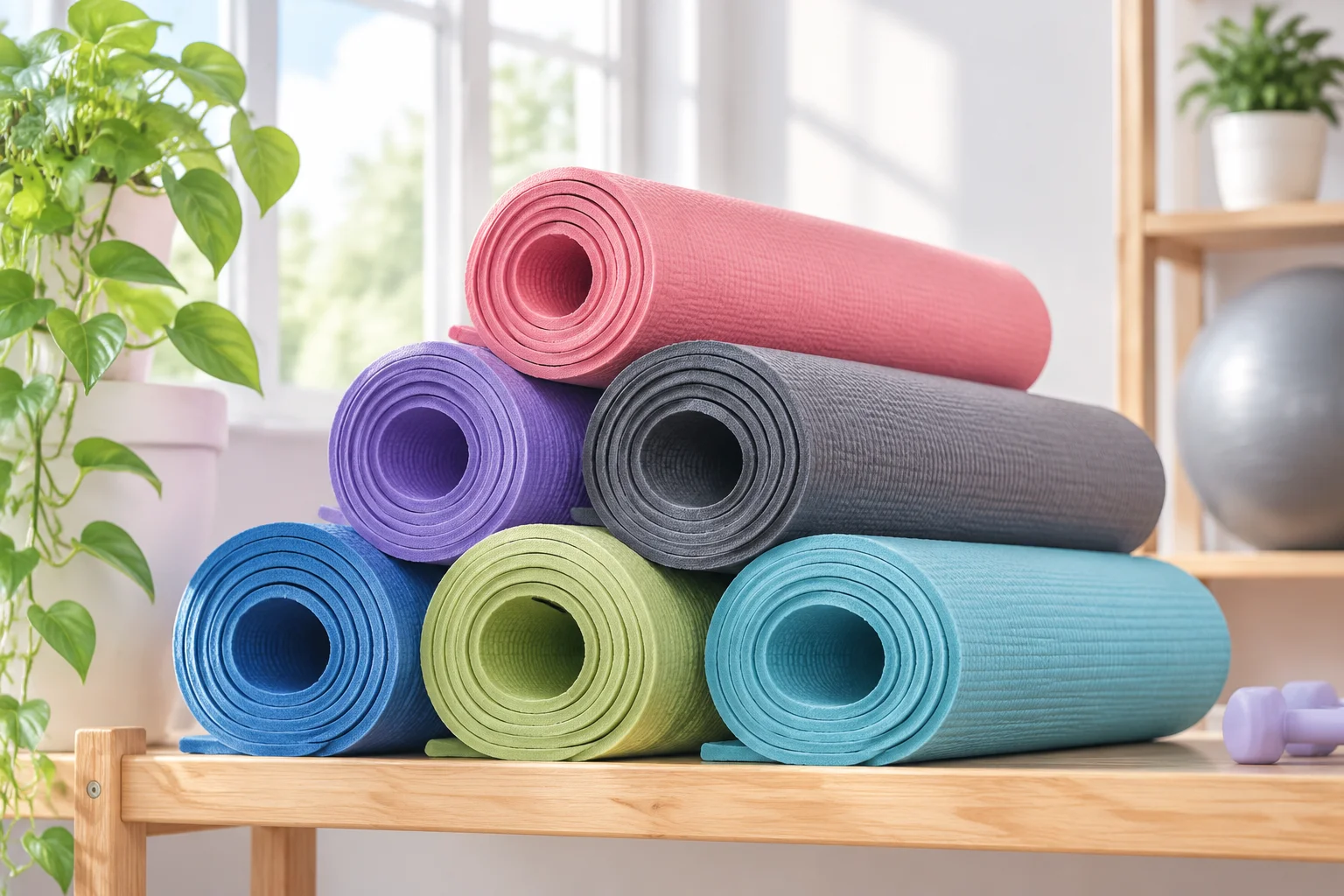
How to Choose the Right Mat
Understand density, texture, and durability factors before selecting your base.
2026-10-22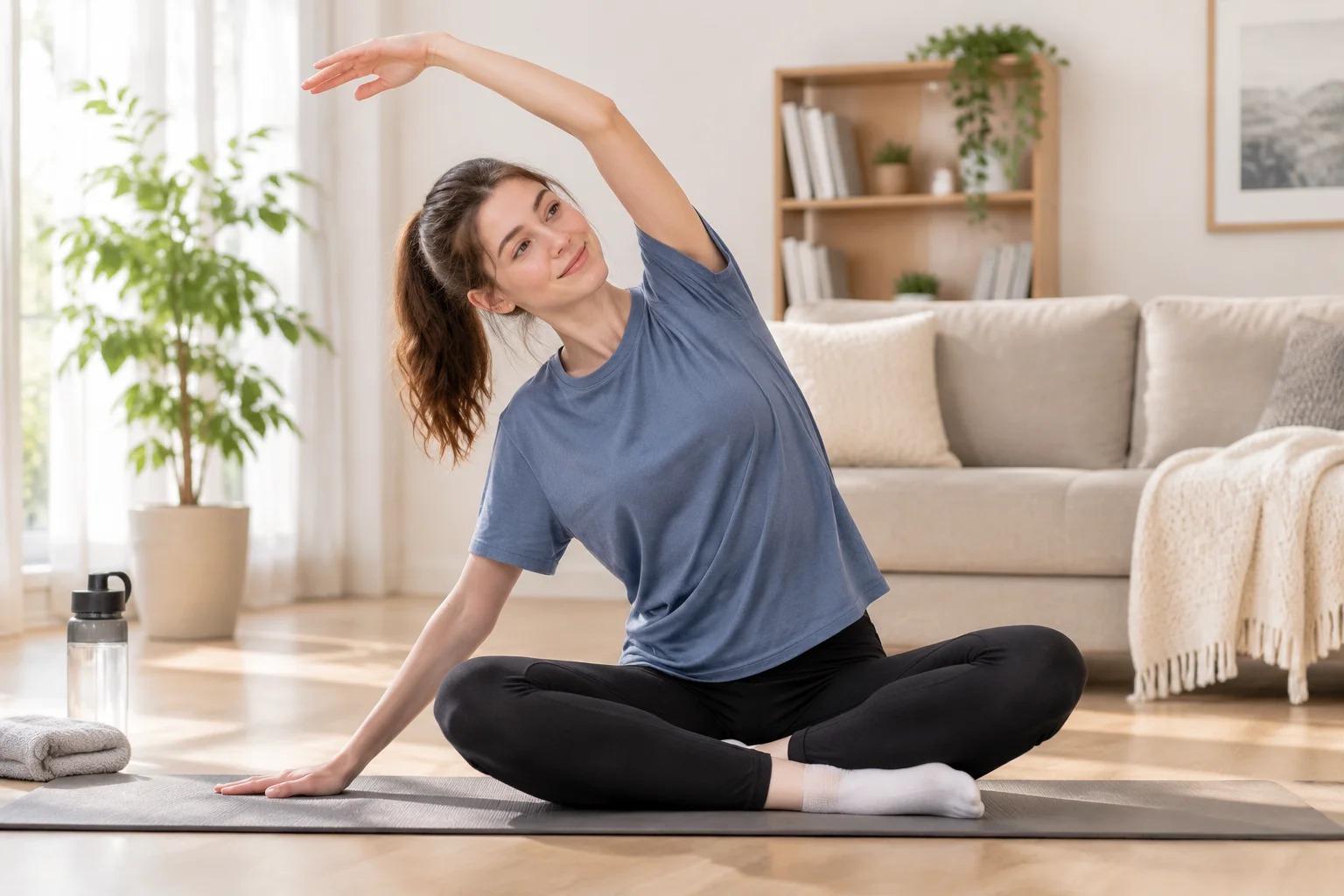
Stretching Techniques for Flexibility
Calibrated postures and progressive hold methods for sustainable range of motion.
2026-11-01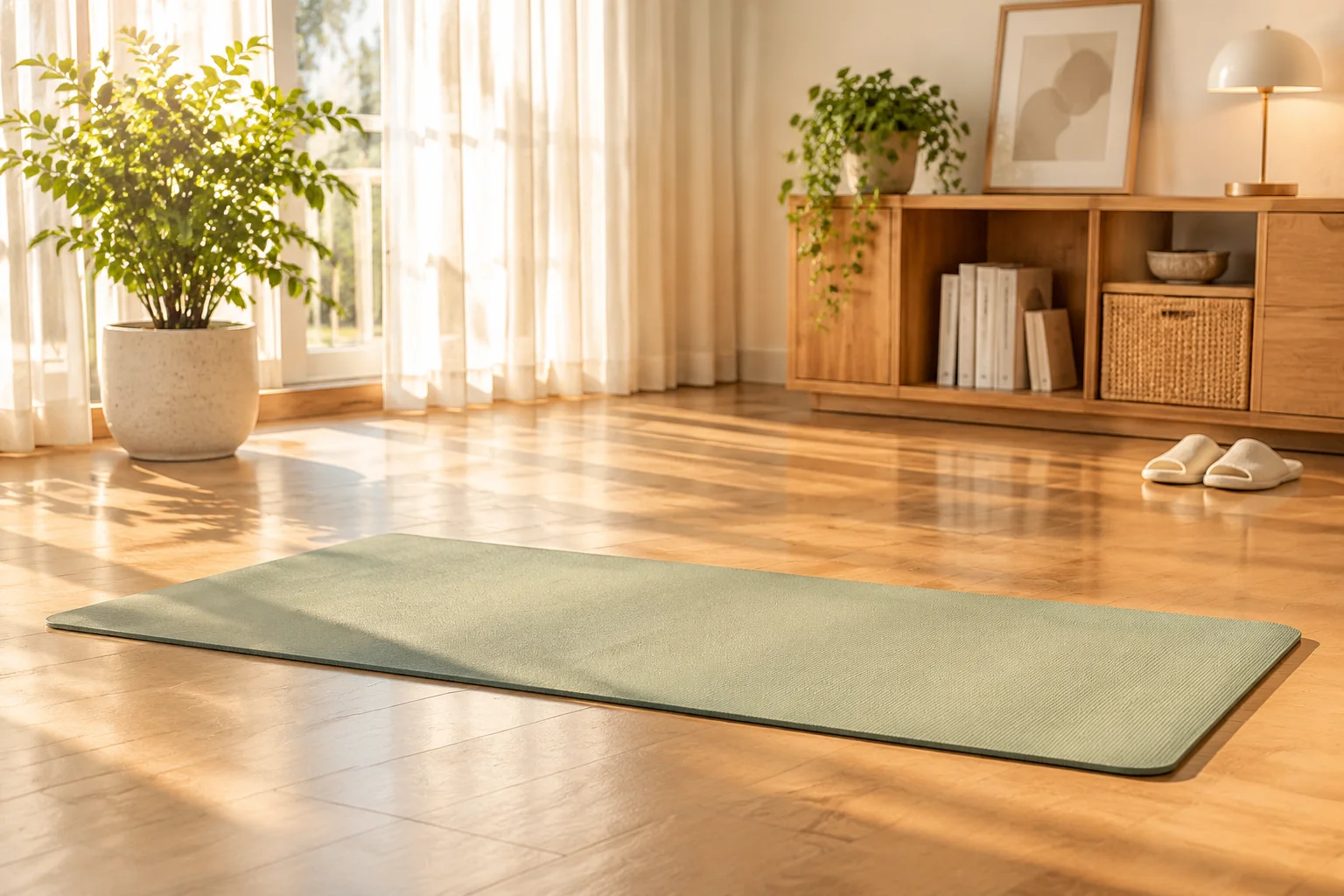
Morning Routine for Daily Balance
Gentle wake-up sequences and breathing techniques to center your mind each morning.
2026-11-15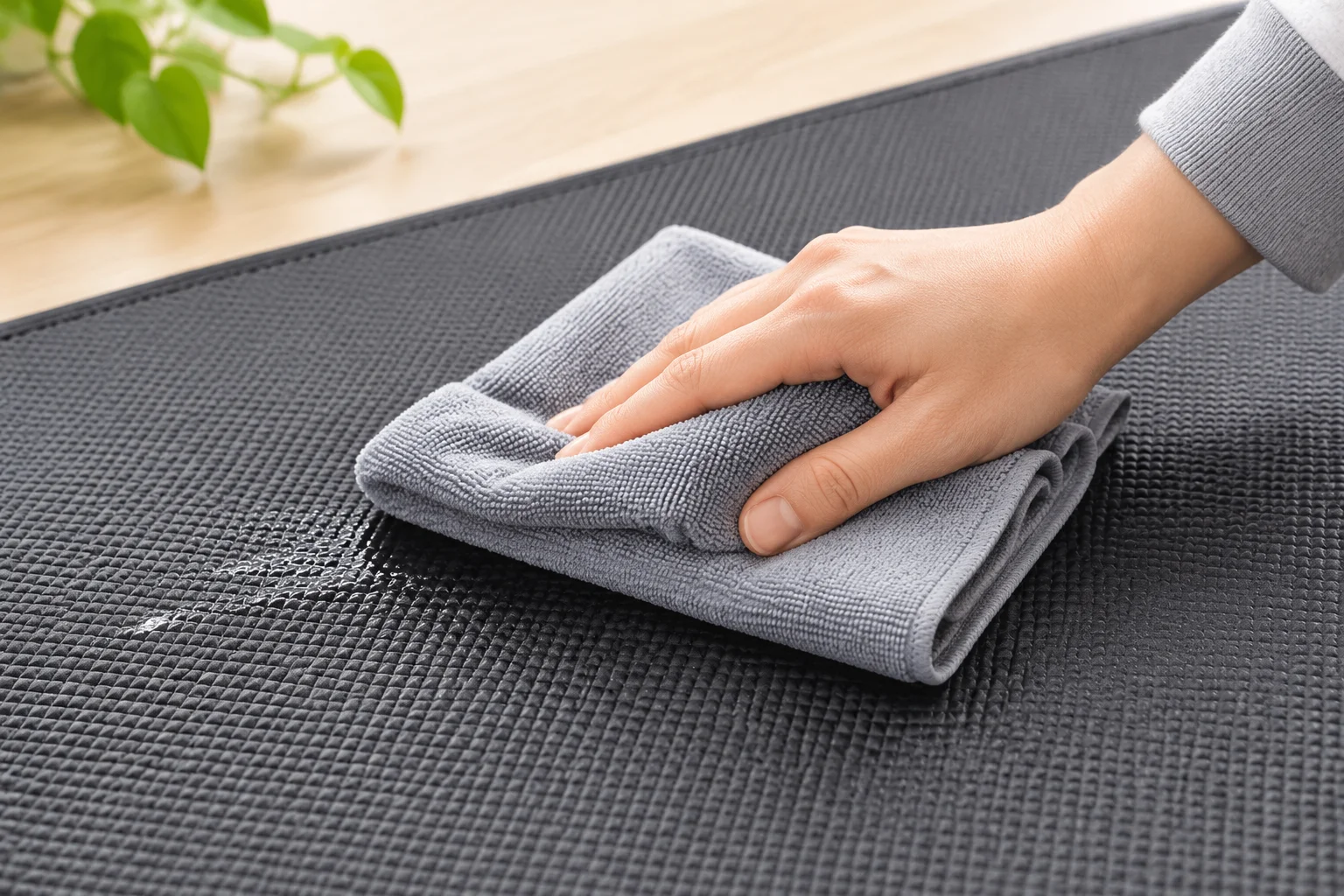
Proper Care for Your Equipment
Essential tips to maintain grip integrity, cleanliness, and long-term durability.
2026-11-10
Reader Discussion
Community NotesThis could be your first comment.