Grounding Foundations Before the Day Accelerates
Waking up with intention transforms how you handle tension throughout your work hours. Rather than checking incoming notifications right after turning off your alarm, giving yourself twenty quiet minutes on a supportive mat resets both nervous system reactivity and physical posture. This sequence focuses on gentle spinal decompression, rhythmic breathing, and lower body activation.
| Practice Focus | Spinal Mobility & Breath Alignment |
|---|---|
| Experience Level | All Levels (Beginner Friendly) |
| Recommended Prop | Dense Studio Mat & Cork Block |
| Estimated Routine | 15 to 20 Minutes Daily |
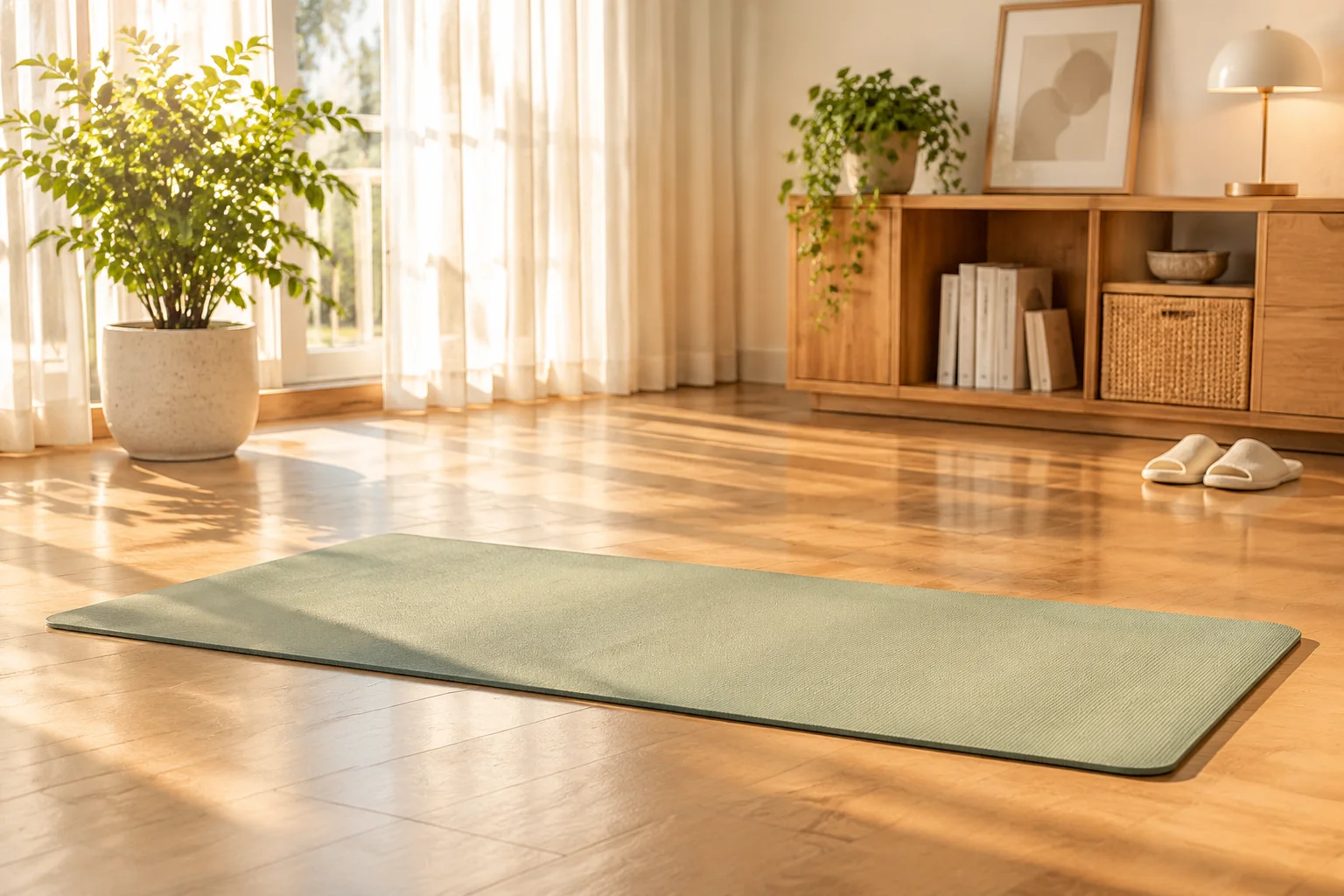
Why Morning Movement Anchors Your Entire Nervous System
During sleep, body fluids settle and muscles contract into static postures, leading to morning joint stiffness and reduced blood flow. Taking ten to twenty minutes to unroll your mat before opening emails helps downregulate the sympathetic fight-or-flight response. Gentle lateral bends and cat-cow pulses bring synovial fluid into the spine, allowing you to enter meetings and daily commutes with open shoulders rather than contracted traps.
A Step-by-Step 4-Phase Awakening Sequence
Move through these stages smoothly at your own cadence without forcing depth or straining tight hamstrings:
- Phase 1: Grounded Breathwork & Cat-Cow — Start in tabletop or seated on a cork block for 3 minutes, coordinating slow diaphragmatic inhales with gentle thoracic flexion.
- Phase 2: Low Lunges & Heart Openers — Step one foot forward between your hands into Anjaneyasana, sinking into the hip flexors while lifting the sternum for 5 breaths per side.
- Phase 3: Downward-Facing Dog to Mountain Pose — Press through gripped palms to pedal out your calves, slowly walking hands back to your feet and rolling up to standing.
Common Morning Obstacles and How to Overcome Them
Tight hamstrings and mental hurry often tempt practitioners to rush through morning poses or skip practice entirely. When energy feels low, shorten the routine to five minutes of restorative child's pose and supported side angles instead of abandoning your session. Consistent gentle presence produces far greater long-term postural resilience than intermittent strenuous workouts.
Frequently Asked Inquiries
Practicing before breakfast is generally recommended because forward folds and spinal twists feel much more comfortable on an empty stomach. A warm glass of water or herbal tea beforehand helps hydration without causing digestive discomfort.
Ten focused minutes are more than enough to reap benefits. Prioritize five rounds of cat-cow, two low lunges per side, and a brief standing forward fold to mobilize the major joints and release spinal tension.
Ready to Build Your Practice Routine?
Explore calibrated studio mats, cork blocks, and durable alignment tools crafted for lasting mindful movement.
Explore CollectionRecommended Articles

How to Choose the Right Mat
Understand density, texture, and durability factors before selecting your base.
2026-10-22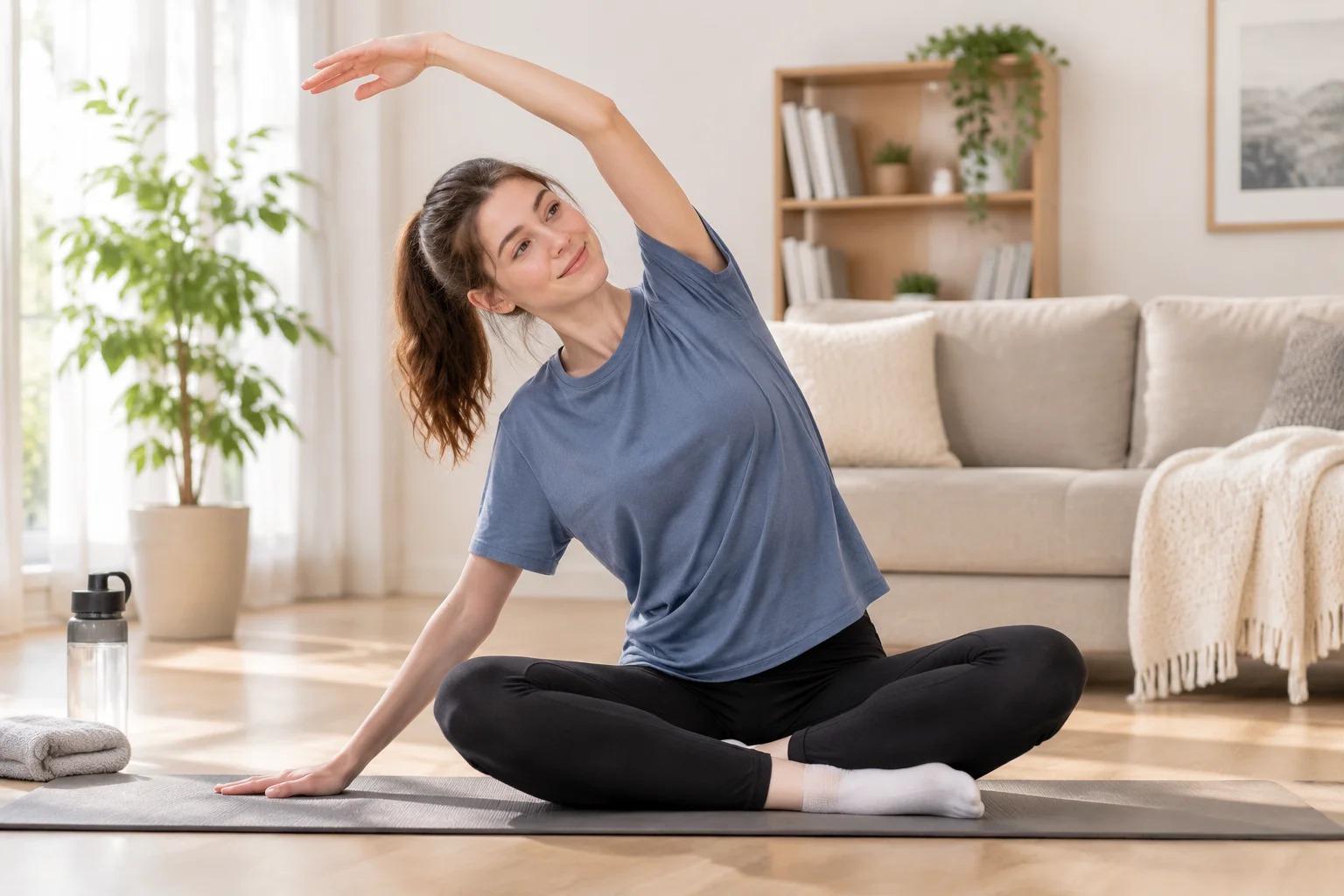
Stretching Techniques for Flexibility
Calibrated postures and progressive hold methods for sustainable range of motion.
2026-11-01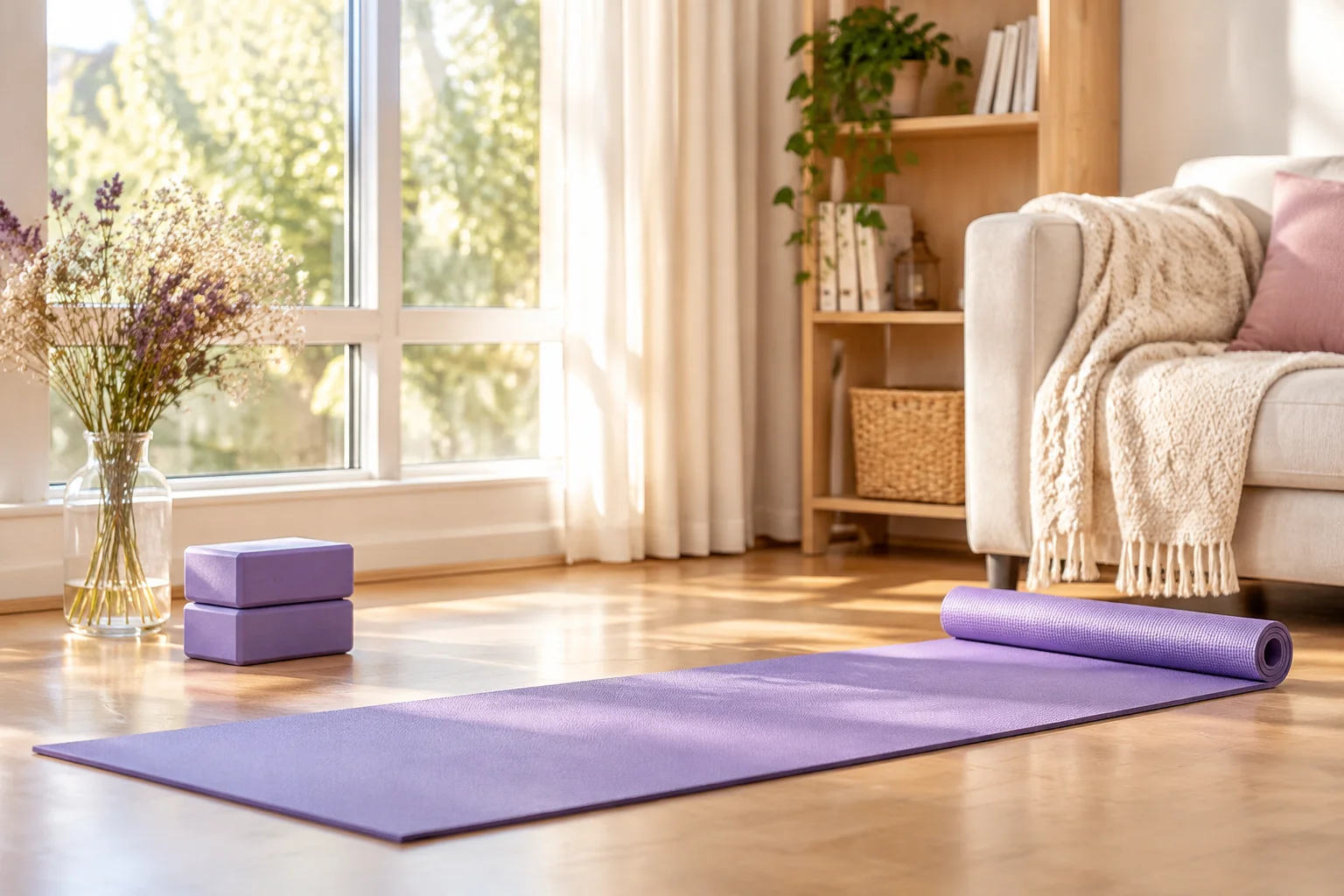
Setting Up Your Home Practice Space
Optimal floor clearance, prop placement, and quiet space configuration.
2026-11-05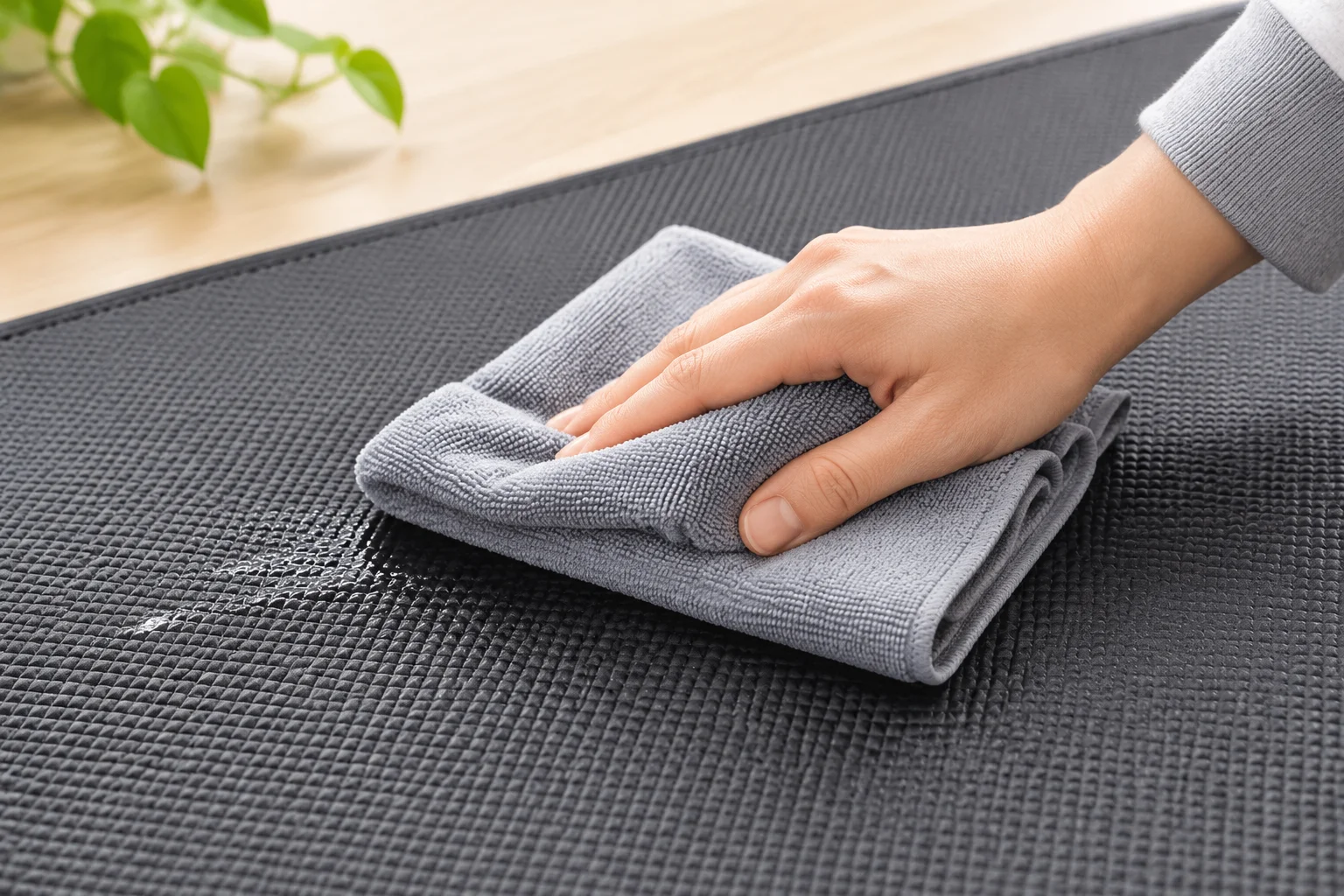
Proper Care for Your Equipment
Essential tips to maintain grip integrity, cleanliness, and long-term durability.
2026-11-10
Reader Discussion
Community NotesNo comments yet. This could be your first comment.